Bodily Fluid Cleanup
Bodily fluid cleanup removes fluids and disinfects affected areas in businesses, homes and care settings.
See bodily fluid cleanupGet urine stains and odor removed from floors, subfloors, furniture and personal property in Annapolis. Cleanup finds hidden saturation, treats recoverable surfaces and removes materials that cannot be restored.
A urine cleanup locates contamination in furniture, personal items, flooring, subfloor and walls. It then removes or treats what was affected, controls the odor and includes an attentive inspection around the site.
One recent mark on a nonporous, sealed surface might only call for quick household care. Consider professional cleaning for an unknown source, persistent odor from repeated incidents, or liquid absorbed by wood, carpet, drywall, upholstery or grout. Incontinence, care needs, vacancy, hoarding and rental use are settings where these problems often occur. The specific conditions are evaluated for every job.
Removing the source, rather than covering its odor, is the goal. Technicians examine the space, trace smells and discoloration through absorbent layers, sort salvageable belongings from materials requiring removal, and match the cleaning product to the surface. When feces, blood or another bodily fluid is present with urine, biohazard remediation, hazardous waste disposal and protective equipment may be necessary too.
You can organize images, affected-item notes and disposal records as insurance assistance for a landlord, property manager or your insurance company.
Before disposal decisions are made, you help check papers, keepsakes, furniture and other belongings that are yours or belong to your loved ones.
You hear what can be cleaned, what may need removal and what changes the scope before the cleanup process moves forward. Any serious health concern should also be explained by cleanup crews in clear, simple terms.
In homes, workplaces, rentals and care settings, privacy is maintained with unmarked vehicles and a protected affected area.
You may need professional urine cleaning when the affected area is extensive, concealed, recurring or contains another type of waste. Situations often include:
An empty home can hold old contamination in flooring, subfloor and furnishings long after the visible source has been removed.
Carpet and padding may become soaked from continued incontinence or an unmet care need before you can see the whole affected area.
A move-out can uncover marks in bedrooms, carpeted areas, closets or bathrooms that normal turnover work cannot remove.
When clutter hides contaminated materials, older marks and smells in several rooms, the entire process must follow an orderly sequence.
Protect the area from further damage and keep exposure to a minimum at the start. The following actions reduce the chance of tracking residue elsewhere:
Call (888) 351-0904Published cost guides do not show a range specifically for urine cleanup. The nearest related entry, small blood or fluid cleanup, is listed from $500 through $2,500. Another published range for blood cleanup extends from $300 through $4,000. Use these only as planning references, not as urine cleanup pricing. The actual scope reflects which materials and how many rooms are affected, plus whether odor entered walls or subfloor.
Published national cost guides are the source for these ranges, rather than an inspection of your property. The price for your property is set after the on-site assessment, and you hear it before work starts.
Ask about cost: (888) 351-0904Coverage is determined by the cause, your policy language and whether the damage occurred at once or accumulated over time. Because the insurance company decides using the particular event and policy, ask it to examine both before cleanup starts whenever possible.
Your policy may apply different terms to an abrupt event than to recurring or extended contamination. Find out which cause qualifies, which records are required and how much your deductible is.
Confirm which records are required, including possible photos, lists of items, moisture findings, disposal paperwork and the cleanup scope. Put the adjuster's guidance and insurance claim number in one place.
Homeowners or renters insurance, the estate or the property owner usually pays for this kind of cleanup. The Maryland crime victim compensation program helps only when a crime caused the loss. This help may apply only when the contamination is tied to a qualifying crime, so confirm eligibility with the program.
The lease, the cause of contamination and local rules can affect who pays. Property owners and tenants should document the condition before damaged materials are removed.
Urine remediation tracks contamination beyond the obvious mark and through any underlying layers. Each material is evaluated, residue is cleared and remaining sources of odor are checked. The steps depend on how much urine is present and on the presence of other hazardous material.
Cleanup crews inspect the affected rooms, ask about the source and duration, and look for stains, moisture damage and odor beyond the obvious spot.
The affected workspace is separated from clean spaces. Site conditions determine the protective equipment used, with particular care when other bodily fluids are present.
The inspection follows floor seams, perimeter lines and furniture bottoms to determine the liquid's reach and the layers it affected.
Deeply saturated particleboard, carpet pad, unsealed wood and similar material may need removal when the contamination is beyond cleaning reach.
Recoverable surfaces are cleaned to remove residue, then treated with a product suited to urine and the surface. Products stay in place for the label's stated contact time.
Rather than hiding smells with scent, odor work addresses their source within subfloor, grout, joints and cracks. Drying and indoor air quality may benefit from air movement.
After surfaces dry and treatment ends, the cleanup area is inspected. Remaining smells can signal contamination in a layer that has not been reached.
Once cleanup is complete, removed carpet, pad, baseboards or subfloor sections can be replaced by the appropriate restoration services so you can move forward with repairs.

You can call anytime. Your urine cleanup specialist answers the phone, describes what happens next and works with you on a start time.
Human urine is not considered a regulated biohazard in every case. Professional attention may still be needed when older or extensive contamination leaves the environment unhealthy.
Urine without visible blood is not treated as blood under the OSHA Bloodborne Pathogens Standard. Take more care when you suspect feces, blood, an infectious illness or another bodily fluid.
Intense odor where urine has built up can cause irritation in your eyes, throat and nose. Ventilate only when smells cannot travel into surrounding areas, and limit the time you spend inside the room.
Urine containing blood or feces can create more serious health risks, so it needs different containment, waste disposal and protective gear than a small sealed-floor spot.
Can you clean it yourself? On a sealed, non-porous surface, you can address a minor fresh spot by wearing disposable gloves, absorbing the urine, cleaning the area and applying a suitable disinfectant exactly per label directions. Call for professional cleanup when urine has soaked into porous material, covers a large area, keeps returning, or is mixed with blood, feces or sharps.
Part of a day may be enough for cleanup confined to one surface. The job can take longer if recurring saturation reaches several rooms, carpeting or subfloor. Material removal, drying and odor evaluation can also add time. The affected layers must be inspected before the duration can be set.
| Scene | Typical time on site |
|---|---|
| A sealed surface with a small affected area | Often part of one workday |
| One room with carpet and pad affected | Commonly one to two workdays with extra drying time |
| Several rooms or subfloor removal | Often several workdays, plus restoration |
Urine odor removal starts by finding every contaminated layer. Fragrance, paint or a surface spray can hide the smell briefly, but odor can return if urine remains in carpet pad, subfloor, wall edges, furniture fill or grout. Repeated staining may require selective removal so the full source is exposed.
Once residue is removed and saturated materials are dealt with, each salvageable surface is treated according to its material. Controlled drying, filtration and moving air can assist the room's return to normal. A follow-up check occurs when the area is dry, since moisture can temporarily affect the apparent strength of an odor.
Federal rule 29 CFR 1910.1030 establishes worker safeguards for contact with blood and specific bodily fluids. If you cannot see blood in urine, the standard does not include the urine as blood.
If disinfection is needed, use a product that is EPA-registered for that purpose and keep the surface wet throughout the label's stated contact time.
Maryland calls this special medical waste, which can include blood-soiled articles. Maryland Department of the Environment rules control how it is handled, transported and treated, so it cannot go in household trash. The rules for urine cleanup waste can change when the material includes regulated items, blood or sharps.
Local health and building rules can affect how a contaminated room is cleaned and when it can be used again, so mention any notice you have received from the city or county. Contact law enforcement or the relevant local office when urine contamination is part of an unattended death, crime scene or other official investigation.
The full urine cleanup guide covers what is cleaned or removed, odor and air quality work, and the rules that apply in Maryland and Anne Arundel County.
Read the full urine cleanup guide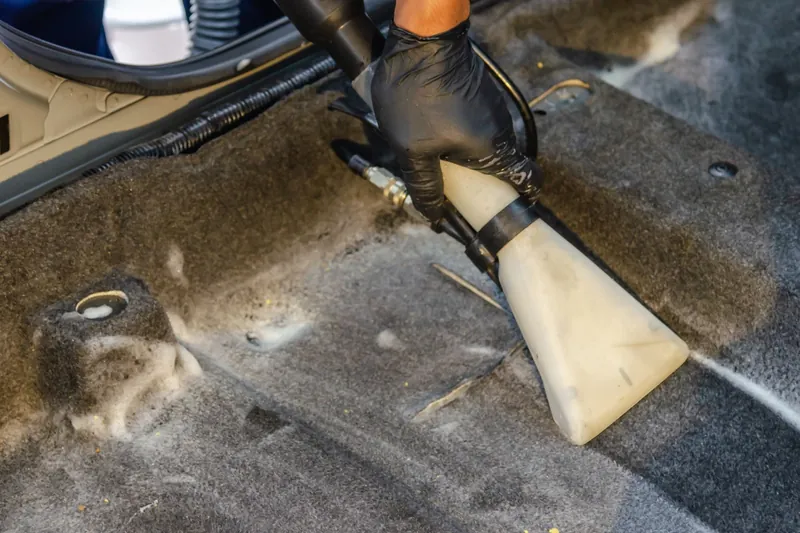
Local population patterns, housing and site access may affect how containment and cleanup are planned.
Renters make up 38.0% of households in Annapolis, so cleanup planning should work for both owner occupied and leased homes.
Homes with a median construction year of 1975 may contain layered renovations that hide affected materials beneath newer finishes.
The 2,701 seniors living alone may need support from relatives or trusted contacts when a cleanup decision follows a medical emergency.
At 65.6% single-family housing, crews should confirm entrances, neighboring units, and ventilation before setting the cleanup boundary.
You can ask about cleanup in nearby communities and ZIP codes during the call.
Bodily fluid cleanup removes fluids and disinfects affected areas in businesses, homes and care settings.
See bodily fluid cleanup
Disinfection accompanies human feces cleanup in public restrooms, homes and rental properties.
See human feces cleanup
Carpet and upholstered items receive biohazard cleaning or are removed safely if necessary.
See biohazard carpet and upholstery cleaning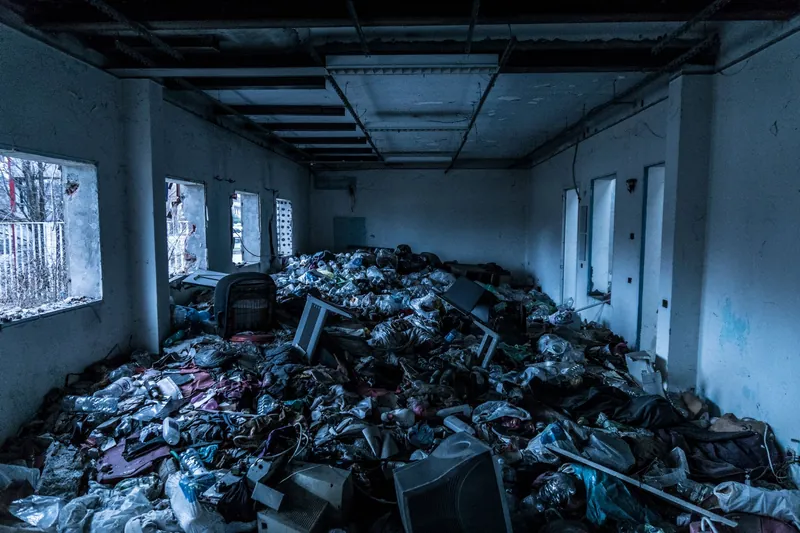
Hoarding cleanup combines respectful sorting, removal and deep cleaning.
See hoarding cleanup
Cleanup removes filth and squalor from homes that are no longer safe to occupy.
See filth and squalor cleanup
Rental property biohazard cleanup covers hotels and Airbnb units as well as rentals.
See hotel, airbnb and rental biohazard cleanup
After exposure or injury, workplace biohazard cleanup covers offices and other work sites.
See office and workplace biohazard cleanup
Disinfection and drying follow sewage cleanup of Category 3 black water from raw sewage.
See raw sewage cleanupThe carpet is inspected to learn whether liquid reached the pad and subfloor. Recoverable fibers can be cleaned with a surface-appropriate treatment. Saturated pad is often removed so the layer below can be reached. Damaged particleboard or deeply affected subfloor sections may also need removal before odor treatment and restoration.
No separate urine cleanup price range is shown in published guides. For bodily fluid cleanup, the nearest listed category is small blood or fluid cleanup, with a range of $500 to $2,500. Consider the range a related reference, not a urine-specific price. Your final scope depends on room count, absorbent surfaces, required removals, disposal needs and odor work.
The cause, along with your specific insurance terms, affects coverage. Recurring contamination and maintenance problems may not be treated like damage that happened suddenly. Before anyone removes affected flooring or additional materials, tell your insurance company what occurred and confirm exclusions, documentation requirements and your deductible.
Professional cleanup may be appropriate if urine has soaked into porous materials, spans a large space, affects several rooms, keeps smelling or includes blood or feces. When furnishings, floor layers or clutter conceal contamination, professional cleanup can help if the affected area boundary is not visible.
Once dry, urine can leave odor and deposits inside absorbent surfaces. A small dried spot on a sealed surface is different from repeated saturation in carpet, wood or furniture. Wear gloves and avoid making dust from contaminated residue. Seek professional cleanup if the affected area is hidden, widespread or combined with other bodily fluids.
When urine contains no visible blood, OSHA does not automatically place it among bloodborne pathogen hazards under rule 29 CFR 1910.1030. Urine requires another level of concern when you can see blood, fecal matter is mixed in or infection is possible. Older or extensive deposits may cause smells, harm surfaces and make the indoor space unhealthy.
You can request respectful, discreet urine cleanup 24 hours a day, and crews use unmarked vehicles.