Death Cleanup
After a person dies at home, cleanup addresses fluids, odors and belongings that were affected.
See death cleanupSort, pack and remove belongings from a home, apartment, garage or storage area in Columbia after a death. Important documents and keepsakes are set aside under your instructions.
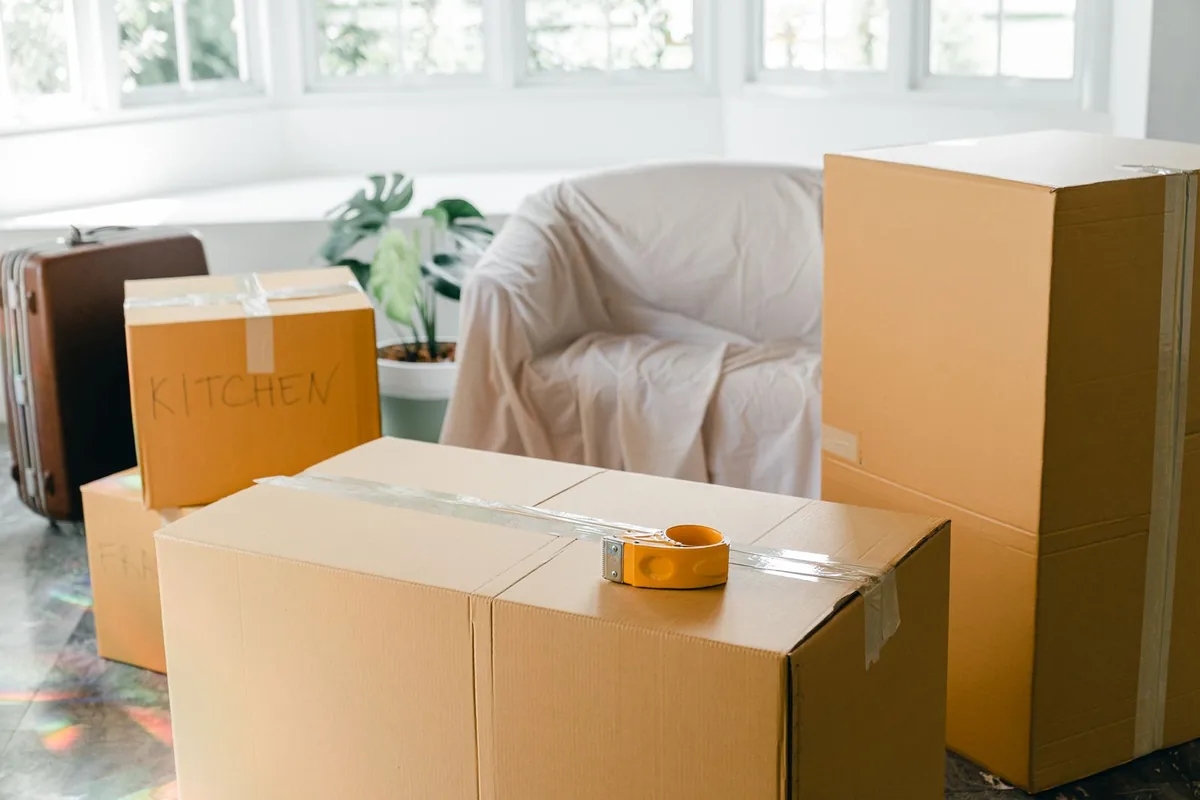
An estate cleanout after a death is the organized sorting, packing and removal of a person's belongings after the family or legal representative is ready to clear the property.
The work can include a home, apartment, garage, attic, storage unit or outbuilding. Personal property is separated into categories you approve, such as items to keep, documents to examine, items intended for donation, recyclable materials and ordinary waste. Furniture and appliances can then be moved out, and the rooms can be left empty for the next stage.
Death cleanup and estate cleaning are separate kinds of work. When no bodily fluids reached the home after a person died there, careful sorting and a general cleanout may be all that is needed. An unattended death, blood that can be seen, significant odor or contaminated contents requires biohazard cleanup first. Only afterward should workers sort nearby spaces, which helps protect relatives and others who enter the area.
A thoughtful estate cleanup service also protects the things that are easy to miss. You should have an opportunity to examine saved medication, family mementos, money, photos, legal papers, keys and jewelry. You may set priorities ahead of the cleanup process and divide decisions into stages when the property holds many items.
Crews arrive in unmarked vehicles, protect common paths and keep boxes or bags from drawing unnecessary attention outside the property.
Photos, scope records and invoices can support talks with insurance companies, family and the authorized estate contact while you move forward.
Rather than entering the ordinary removal group, photographs, records, valuable belongings and listed keepsakes are set apart for your inspection.
The cleanout begins after you authorize the categories, priority belongings and removal scope. Work can wait whenever the family needs to make a choice.
When belongings must be cleared following a death, estate cleanout services give families, executors, landlords and property owners an orderly approach. Common examples are:
Whoever has estate authority needs visual records, step-by-step decisions and a removal log for the property.
Use the same authorized plan to sort furniture, tools, paperwork, chemicals and boxed contents in garages or storage spaces.
Large amounts of personal property require a slower room-by-room plan, clear keep lists and attention to blocked paths or hidden hazards.
Clearing the belongings requires planning around access, elevators, parking, nearby residents and the landlord's rules.
Protect the property at the outset and identify who may make choices on the estate's behalf. Taking these steps before any cleaning service or removal work begins helps keep the process clear:
Call (888) 351-0904According to the cost guide on veteranhauling.com, clearing a smaller home containing one to two bedrooms is listed at $1,000 to $3,000 while a home with three to four bedrooms in the mid-size category is listed at $3,000 to $7,000 and a heavily furnished or large home is listed at $7,000 to $15,000 for an estate cleanout. Load-based junk removal is shown as $300 to $800 for each truckload. What you pay depends on access, disposal needs and the property's actual contents.
These national ranges are taken from published cost guides, rather than a property visit. The price for your property is set after the on-site assessment, and you hear it before work starts.
Ask about cost: (888) 351-0904Insurance may pay for cleanup related to a covered loss, but it does not automatically pay for routine work to clear an estate. If the policy does not apply, the owner or the estate often bears the cost.
The lease, area regulations and control of the contents may determine responsibility. Before altering the unit or clearing a tenant's personal property, verify that you have authority.
Ask the insurance company whether the cause of damage is covered, whether biohazard or death cleanup is included and what records are required. Whether coverage applies varies by loss and policy terms.
An authorized estate representative can consult a suitable financial or legal professional about using estate funds for cleanout costs. Save invoices and removal logs.
Homeowners or renters insurance, the estate or the property owner usually pays for this kind of cleanup. The Maryland crime victim compensation program helps only when a crime caused the loss. Ask the program directly whether eligible crime scene cleanup or related costs are covered. Routine estate cleanup can fall beyond what the benefit covers.
You may authorize each part of the cleanout and identify possessions that are never to be taken away. The process uses an orderly sequence beginning with access confirmation and ending with a final walk-through.
You or your representative checks every room, entry route and item marked as important. Before belongings are sorted, suspected hazards and affected areas are identified.
Each possession goes into a category you approve, whether keeping, family decision, intended donation, recycling, ordinary waste or special waste.
A protected decision space holds identification, financial documents, photos, keys, valuables and requested keepsakes so they do not enter the removal group.
If contamination is found, cleanup crews secure the affected area, use protective equipment and finish the remediation process before ordinary sorting restarts.
Items you keep are packed by room or category and labeled clearly. For a more manageable examination, delicate objects and records go into separate groups.
Approved furniture, boxes and ordinary debris are carried out along a planned route. Special contents are directed to their appropriate waste disposal path.
Emptying each room makes it possible to clean leftover dust and routine grime. Odor removal is not finished until the source of every lingering smell has been found.
You inspect the cleared rooms, check saved property and note any repair or restoration services needed before the property changes hands.
Call at any time. Your estate cleanout after a death specialist answers the phone, describes what happens next and works with you on a start time.
Most estate belongings are not biohazards, but a home can contain risks that should be identified before sorting begins.
Decide separately how to address unsecured needles, medicines, home chemicals, fuel and ammunition. Never use your hands to put sharp or unidentified objects in a regular bag.
Each possession may hold personal meaning. To move forward without rushing meaningful choices, use a saved-item list and manageable sorting batches.
Bloodborne pathogens may be present in blood and bodily fluids. Dried material is not automatically safe. The CDC says hepatitis B can survive on surfaces for at least seven days.
Can you clean it yourself? A standard cleanout team should halt the job after uncovering hidden contamination. For fresh blood in a small quantity on hard, non-porous material, wear gloves and apply an EPA-registered disinfectant throughout its required contact time. The estate work should pause for professional biohazard cleanup if blood soaked into wood, textiles, carpeting or other absorbent material.
Nothing should be treated as waste until it has been sorted under your plan. Personal property, ordinary debris and hazardous waste need separate paths.
Do not allow entry or approve selling, donating or removing property without the appropriate authority. Because estate and court rules differ, consult a qualified professional in your area if ownership is contested.
Training, protective gear and safe practices for possible worker contact with blood are addressed by 29 CFR 1910.1030, the OSHA Bloodborne Pathogens Standard.
Maryland calls this special medical waste, which can include blood-soiled articles. Maryland Department of the Environment rules control how it is handled, transported and treated, so it cannot go in household trash. Disposal routes may differ for regular home contents, chemicals, electronic devices, sharps and contaminated materials.
Maryland uses a statewide system run by the Office of the Chief Medical Examiner, part of the Maryland Department of Health, which investigates sudden, violent or suspicious deaths. Cleanup starts after police or the medical examiner release the scene. When law enforcement or a medical examiner participates, do not start scene cleaning or removal until officials release the affected room or property.
An estate cleanout has no fixed timeline. One work period could be enough for a small, sparsely furnished home, whereas careful family sorting throughout a full house might take multiple visits. Limited access, biohazard work and postponed choices can extend the schedule.
The full estate cleanout after a death guide covers what is cleaned or removed, odor and air quality work, and the rules that apply in Maryland and Howard County.
Read the full estate cleanout after a death guideContainment, entry and cleanup plans can be influenced by local housing, population and access details.
Renters make up 35.2% of households in Columbia, so cleanup planning should work for both owner occupied and leased homes.
Because the median home dates to 1983, cleanup plans should distinguish washable surfaces from absorbent carpet, padding, and wallboard.
Even at 22.7%, seniors living alone can benefit from regular contact that shortens the time before an emergency is noticed.
Because 64.9% of housing is single-family, some calls involve one household while others require coordination around shared building areas.
Your phone conversation can include questions about service in nearby ZIP codes and communities.
After a person dies at home, cleanup addresses fluids, odors and belongings that were affected.
See death cleanup
When a death remains undiscovered for days, cleanup addresses decomposition and controls odors.
See unattended death cleanup
Cleanup after a death that was found quickly, with care for the family home.
See attended death cleanup
Removal of decomposition fluids from floors, subfloors and furniture.
See decomposition cleanup
Air scrubbers, hydroxyl and ozone treatment support death odor removal at its source.
See death odor removal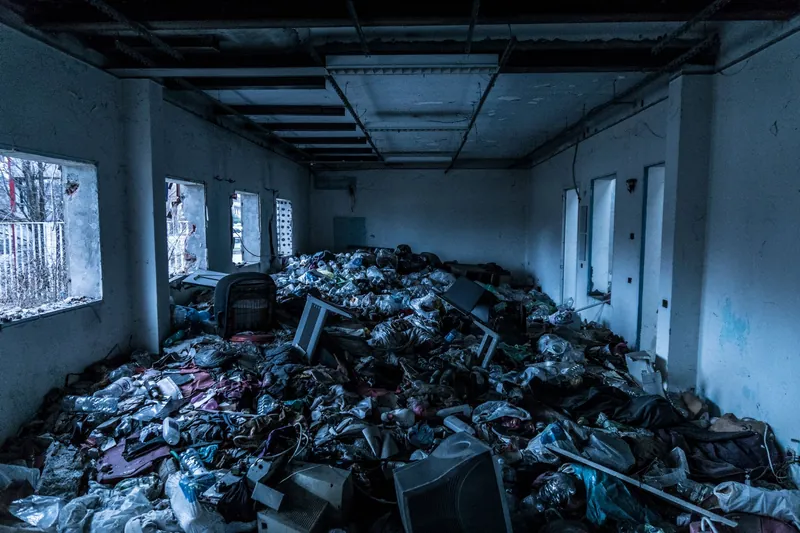
Deep cleaning, respectful sorting and removal are all part of hoarding cleanup.
See hoarding cleanup
Hoarder house cleanout clears a home room by room and includes hauling away trash.
See hoarder house cleanout
Sealed containers with labels hold biohazard waste during collection and disposal.
See biohazard waste disposalBelongings may go into a planned donation group, though the recipient organization decides whether to accept them. What the organization accepts can depend on item condition, safety policies and present demand. You should ask where donations are taken because organizations may refuse mattresses, chemicals, medical devices or damaged belongings.
You or your approved representative should attend the opening inspection to authorize the scope and describe which contents are priorities. You may not need to stay through every stage after setting clear rules for access and decisions. Set times to discuss uncertain contents so relatives can decide before removal proceeds.
The work can cover room-level sorting, packing kept property, safeguarding documents and valuable items, plus removal of approved furnishings, appliances and ordinary debris. The work may also check for hazards. Death cleanup by professionals should come first wherever decomposition, bodily fluids or blood affected the property.
No. An estate cleanout centers on sorting contents and emptying the property. Unattended death cleanup addresses bodily fluids, contaminated materials, odors and safe waste disposal. When both are required, general estate work in safe spaces waits until cleanup crews finish the affected area's biohazard remediation.
Contents work should halt in and around the affected area. Keep people and pets away, do not pick up loose sharps by hand and do not mix contaminated materials with household trash. A professional cleanup evaluation can identify the protective equipment, disinfecting process and waste disposal route required prior to resuming ordinary estate work nearby.
Because they are hard to replace, prioritize money, medication, named mementos, identification, estate records, photographs, keys and jewelry. You are not expected to carry large or weighty contents. Make a written priority list so important items can be found during the sorting process.
Crews carry out respectful, discreet estate cleanout after a death, arrive in unmarked vehicles and take calls 24 hours a day.