Human Feces Cleanup
Rentals, residences and public bathrooms receive human feces cleanup and disinfection.
See human feces cleanupGet feces, urine, vomit, blood and other bodily fluids removed from a home, rental, care setting or workplace in Coppin Heights/Ash-Co-East. The affected area is cleaned, disinfected and checked before it is used again.
Safe removal of blood, vomit, urine, feces and other human waste is bodily fluid cleanup. It continues with disinfection, cleaning and treatment for odors in the affected area.
This work is different from ordinary housekeeping. A spill may reach carpet pad, seams, grout, unfinished wood or wall cavities. Cleanup technicians identify the full affected area and surrounding areas, protect unaffected rooms and decide which materials can be disinfected. For a larger biohazard remediation job, the entire process may also include containment, safe packaging, waste disposal and odor removal.
Whether contamination happened once recently or built up through repeated events, specialized cleaning can address the bodily fluid. Vomit cleanup, combined urine and feces cleanup, or human feces cleanup may take place in an apartment, care setting, home, restroom, workplace, hotel or school. The source is removed, each surface receives the right product and the space is prepared for future use.
Available waste documentation, clear work details and organized photos can help the reviewing insurance company, property owners and managers.
Crews use unmarked vehicles, and calls are answered during both daytime and nighttime. The conversation about your circumstances stays calm while only required work areas are opened.
Items that can be cleaned, including keepsakes, are sorted away from disposable material. Items are discussed with you before a removal decision whenever conditions allow.
Before work starts, find out how the cleaning process is planned to move forward, which areas are affected, and what may remain or need removal.
Professional cleanup is appropriate when bodily fluids cover a broad area, enter porous materials or create a health concern that ordinary cleaning cannot resolve. Every situation is different, but common needs include:
A controlled workspace can protect employees and guests during commercial feces cleanup in offices, restrooms, shops and common buildings.
You might encounter human or animal waste while addressing a move-out, checking someone's welfare or cleaning a severely neglected property.
You may require human feces clean up by a professional if illness, a toilet accident or reduced mobility leaves fecal matter on bedding, walls, flooring and nearby possessions.
In a workplace or residence, blood and additional fluids from an injury may contact furniture, flooring, equipment and walls.
Protect people first and avoid spreading material beyond the original spot. If this is an emergency response or law enforcement is involved, wait until the area is released to you. Take these steps while arranging a cleaning service:
Call (888) 351-0904Published guides put the small blood or fluid cleanup range at $500 to $2,500. For the wider span, a blood cleanup pricing guide lists $300 to $4,000. Neither comparison amount establishes a universal charge. Your actual bodily fluid cleanup cost reflects fluid type, affected-area size, involved surfaces, odor treatment and waste disposal.
These ranges come from published national cost guides, not from a site visit. After an on-site assessment, the price for your property is determined and shared with you before cleanup begins.
Ask about cost: (888) 351-0904Coverage depends on what caused the contamination and the terms, limits and deductible in your policy. Ask the insurance company about biohazard cleanup before authorizing non-urgent work.
A policy may cover cleanup tied to a covered sudden event, but routine sanitation, neglect and maintenance are commonly treated differently. Verify what your coverage says.
Property owners and business managers can ask whether the building policy applies and what records the adjuster needs before damaged materials are removed.
Keep the claim number, photos, work scope, invoices and waste records. Insurance companies decide coverage, so cleanup records do not promise payment.
The Maryland Criminal Injuries Compensation Board, part of the Governor's Office of Crime Prevention and Policy, lists crime scene cleanup among eligible expenses for crime victims. Insurance is usually checked first.
From initial assessment to the last check, this remediation process shows how bodily fluid cleanup proceeds. A controlled work order helps avoid carrying contamination to unaffected rooms. Each stage changes according to the fluid involved, its travel distance and the materials affected.
The crew identifies sharps and hazardous materials requiring special care, along with the source, porous materials, nearby surfaces and affected areas.
A separation is created between clean rooms and the work area. Protective gear, including clothing, gloves and eye protection, is chosen to suit the exposure.
To limit transfer and splashes into surrounding areas, pooled liquid and solid matter are removed carefully before wet cleaning.
Carpet pad, soft furniture, damaged drywall or unfinished wood may be removed when fluid has soaked too deeply for full cleaning.
Remaining surfaces are cleaned first, then treated with an EPA-registered disinfectant for the full contact time stated on its label.
Door knobs, switches, fixtures and nearby surfaces are checked and cleaned when hands, shoes or equipment may have transferred material.
Discarded materials are sealed and routed under applicable waste rules. Odor treatment begins only after the contamination source is gone.
The final check looks throughout the work zone for soil and odor that remain. For insurance assistance and property files, the work scope, pictures and disposal records may offer support.

Phone any hour. A specialist in bodily fluid cleanup takes your call, explains each step and agrees on a start time with you.
Bodily fluids may carry germs or combine with infectious material. Contamination can also remain beneath the visible surface when porous materials absorb it.
Bacteria, parasites and viruses capable of causing illness can exist in feces. Touching it or transferring it to food, hands and high-touch surfaces can spread illness.
Blood may contain HIV, hepatitis C or hepatitis B. Hepatitis B can live on a surface for at least seven days, the CDC says, so care is still necessary around dry blood.
Liquid can soak into drywall, unfinished wood, mattresses, carpet and its padding. Wiping the surface may leave contamination and odor underneath.
Can you clean it yourself? You may be able to address a limited recent spill on a solid non-porous surface by wearing disposable gloves, lifting material cautiously and keeping an EPA-registered disinfectant in place for the complete label contact time. Get professional cleanup when the source is unknown, blood is present, waste covers a wide area, sharp objects are involved or fluid entered carpet, wood, drywall or furniture.
Hard, intact materials can often stay after thorough cleaning and disinfection. Absorbent materials may need removal when bodily fluids have reached layers that cannot be accessed. If removal exposes damage, restoration services can repair flooring, walls or other building materials after cleanup.
The duration is shaped by how large the affected space is, whether materials need removal and the depth reached by fluid. Less work is involved for a recent surface spill than for recurring contamination spread across several rooms.
| Scene | Typical time on site |
|---|---|
| One solid surface with a small spill | Cleaning, disinfection and contact time |
| One room with porous materials | Removal, cleaning, disinfection and odor checks |
| Several rooms or repeated contamination | Staged removal and cleaning over a longer period |
Source identification and removal begin the odor work. Urine, vomit or feces may smell less noticeable under fragrance for a little while, but any fluid beneath floors, behind baseboards or within furniture remains uncleaned.
Drying and ventilation follow once surfaces have been cleaned and contaminated material has been taken out. HEPA air scrubbers can help collect particles from the air while work is underway. Persistent odor may point to fluid retained in porous material, so seams, neighboring contents, floor edges and wall bases belong in the final inspection.
The full bodily fluid cleanup guide covers what is cleaned or removed, odor and air quality work, and the rules that apply in Maryland and Baltimore City.
Read the full bodily fluid cleanup guideLocal population patterns, housing and site access may affect how containment and cleanup are planned.
At roughly 1.9 miles away, University of Maryland Medical Center is the closest listed hospital for urgent care after a cut, puncture, or exposure.
The surrounding area includes Easterwood, Mondawmin, and Bridgeview/Greenlawn, so cleanup travel may cross several local streets or municipal boundaries.
The Baltimore City location helps orient travel, while the neighborhood and full address identify where private cleanup work actually occurs.
During your call, ask whether cleanup is available in surrounding communities and ZIP codes.
Rentals, residences and public bathrooms receive human feces cleanup and disinfection.
See human feces cleanup
Floors, underlying subfloors and furniture receive urine cleanup with odor removal.
See urine cleanup
Vomit is cleaned and the area disinfected to stop the spread of norovirus and other germs.
See vomit cleanup
Blood cleanup on carpet, hard floors, walls and furniture with safe disposal.
See blood cleanup
Blood spill cleanup removes spills of any size, including fresh and dried blood.
See blood spill cleanup
Cleanup that controls hepatitis B, hepatitis C and HIV exposure from blood.
See bloodborne pathogen cleanup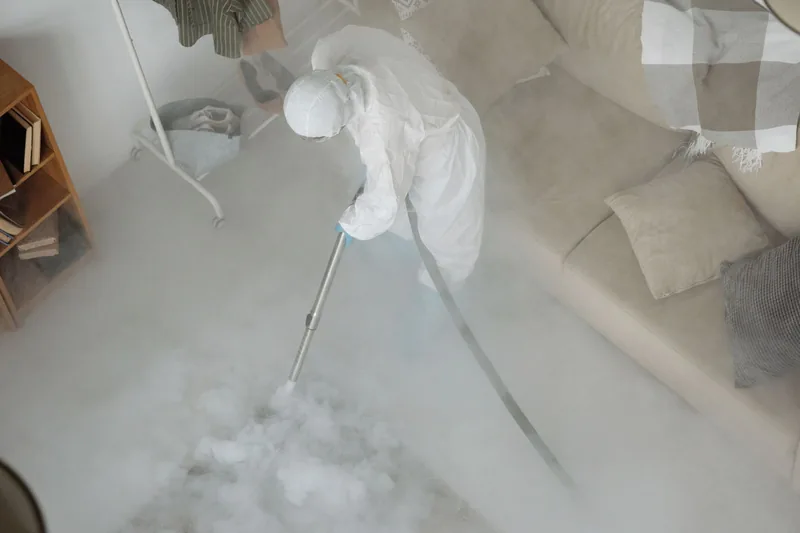
Complete decontamination treats the room, its surfaces and the air after a hazardous or infectious exposure.
See biohazard decontamination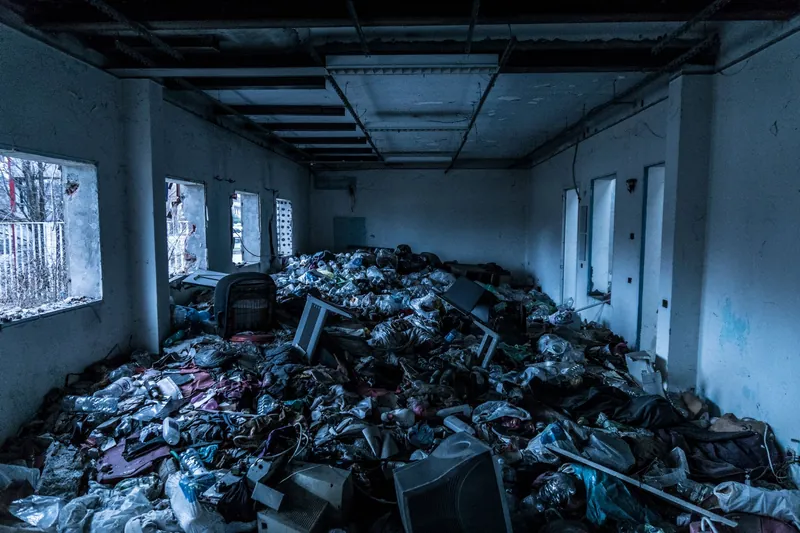
Hoarding cleanup with respectful sorting, removal and deep cleaning.
See hoarding cleanupUnlike blood, urine on its own is treated differently, but the situation still matters. Urine may contain germs, blood or feces, and recurring exposure can penetrate far into furniture and floors. Protect your hands with gloves for a limited spill. Help is appropriate for an unknown source, a broad area or involvement of absorbent surfaces.
How far the fluid moved determines whether it can be saved. A limited surface spot may be cleanable, but contamination that entered the backing or pad is difficult to reach completely. The subfloor can also be affected by recurring feces or urine exposure. The cleanup assessment should separate material that can be disinfected from material that needs removal.
Organisms that cause illness may be present in vomit, which is a bodily fluid. Remove the material carefully so it does not splash, clean any visible soil and keep a suitable EPA-registered disinfectant on the surface for its entire label contact time. If tools, shoes or hands could have spread material, adjacent touch points might require cleaning too.
Before cleaning, block others from the area and protect your hands with proper disposable gloves. Avoid vacuuming and sweeping feces that have dried. Carefully remove solid material, clean the visible soil and disinfect a hard, intact surface with a suitable EPA-registered product used exactly as labeled. When hazards are uncertain, materials are porous or contamination is widespread, professional human feces removal is the safer option.
For limited blood or fluid cleaning, published comparison figures show a range of $500 to $2,500. The listed range in another blood cleanup cost guide is $300 to $4,000. Your final amount varies based on fluid type, affected space, surface material, waste disposal and odor treatment. An assessment is necessary because the published ranges cannot account for every property.
Not necessarily. A small, fresh spill with known contents on an intact, non-porous surface may be manageable with gloves, careful cleaning and a suitable disinfectant. Call for professional cleanup when blood or sharp objects are involved, the source is unknown, fluid entered porous materials or the affected area is too large to control safely.
Respectful, discreet bodily fluid cleanup is available 24 hours a day, and crews arrive in unmarked vehicles.