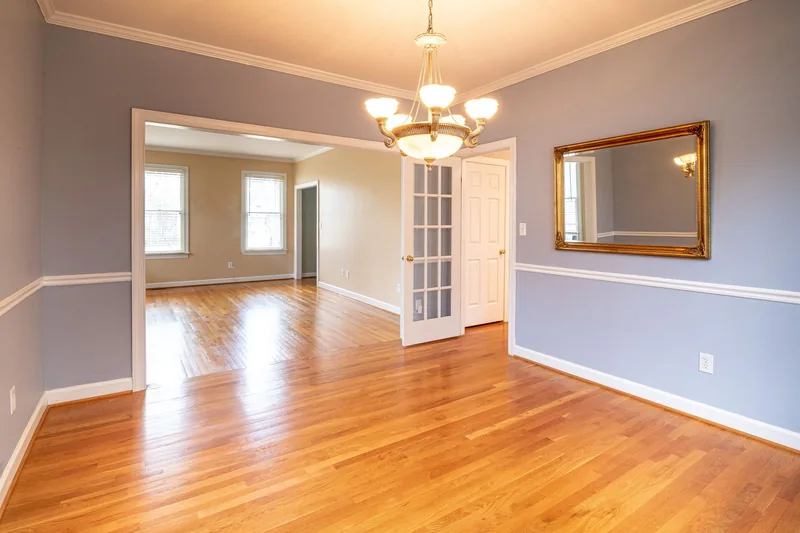
Home and Apartment Biohazard Cleanup
For death, blood, crime or hoarding, cleaning is available in apartments, high-rise units, houses and condos, along with sewage cleanup.
Learn moreYou can call for calm, discreet biohazard cleanup at homes, rentals, businesses and vehicles in Heritage Crossing.
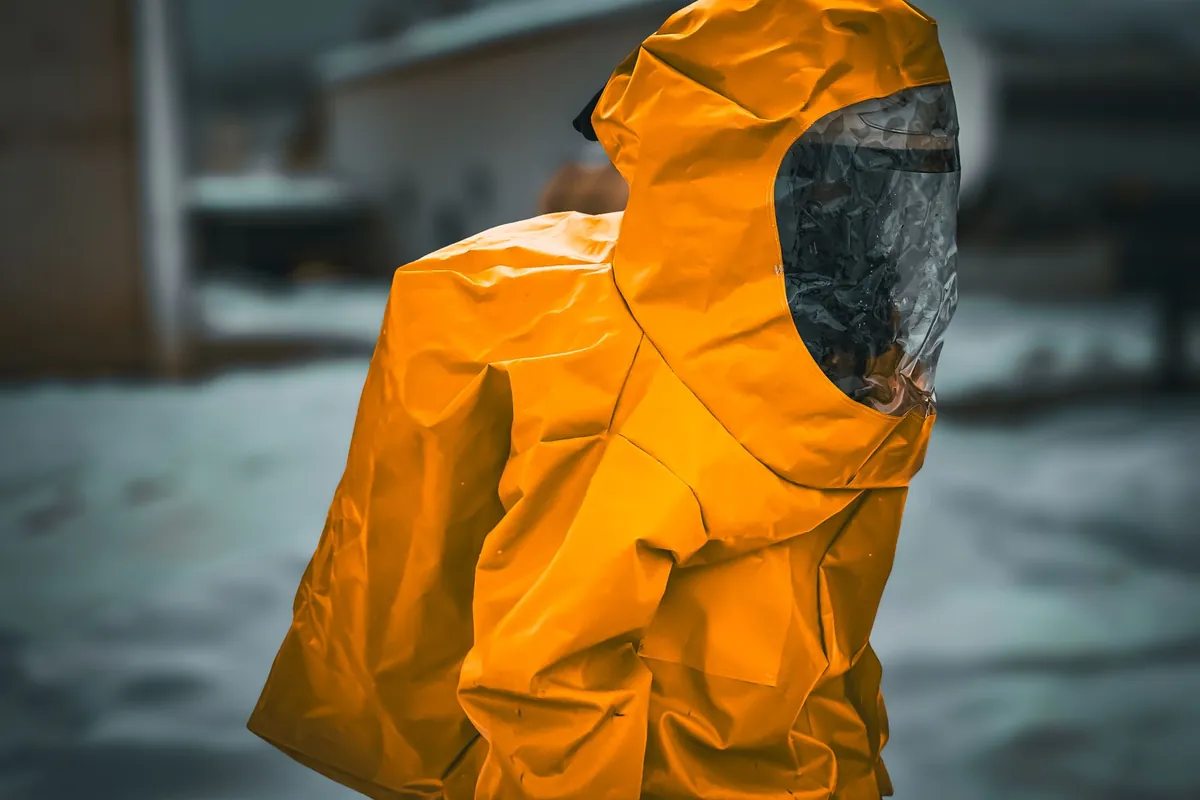
Containment, entry and cleanup plans can be influenced by local housing, population and access details.
The location sits near Seton Hill, Poppleton, and Upton, making local landmarks helpful when a property entrance is hard to find.
In Heritage Crossing, identifying the correct building entrance can reduce unnecessary movement through shared spaces during a sensitive cleanup.
Biohazard cleanup safely removes and disinfects blood, tissue, bodily fluids and hazardous materials, then disposes of them following crime, death, accidents, hoarding or a sewage backup.
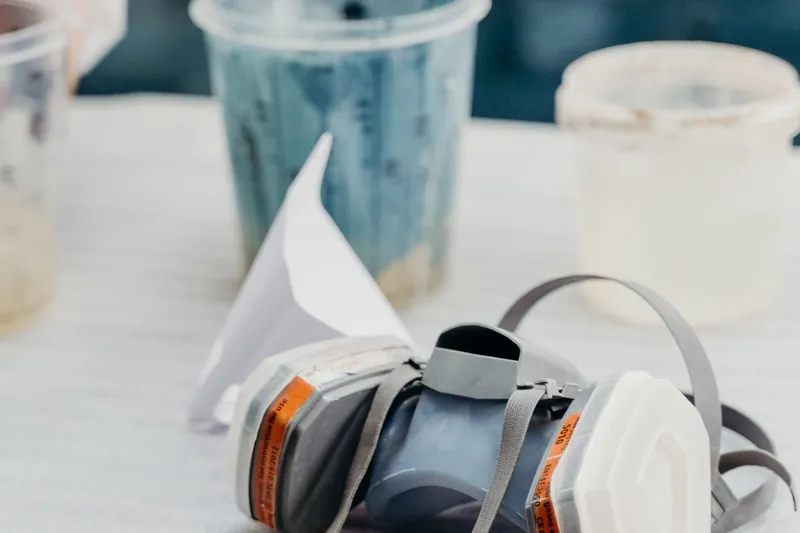
Other names include biohazard remediation, bio hazard cleaning, bio cleanup and trauma cleanup. Professional biohazard cleanup goes beyond ordinary deep cleaning. Using personal protective equipment, technicians trace every place contamination reached, remove porous items beyond disinfection, then restore affected areas to a livable condition.
Crime scenes, unattended deaths and other traumatic events in Heritage Crossing call for specialized cleaning, not household products. Crime scene cleaners use careful scene cleaning methods to remove hazardous waste, treat odor and complete fentanyl cleanup when drugs are involved. Emergency response reaches the surrounding areas too, and the work is a respectful, compassionate service that helps restore safety.
You hear the cleanup plan, every step and what affects the price before anything is removed. There is no pressure and nothing unexpected.
Photos, scope notes and waste records are ready for your insurance company, landlord or the state victim program.
Hoarding and neglect are met without judgment, with respect for you and your loved ones through a difficult time. Documents, keepsakes and photographs are saved for you.
Emergency service calls are answered day and night, and crews arrive in unmarked vehicles so neighbors and building staff do not know what happened.
For death, blood, crime or hoarding, cleaning is available in apartments, high-rise units, houses and condos, along with sewage cleanup.
Learn more
Commercial properties receive commercial biohazard cleanup for industrial accidents, exposures, break-ins and injuries at times that work with your schedule.
Learn more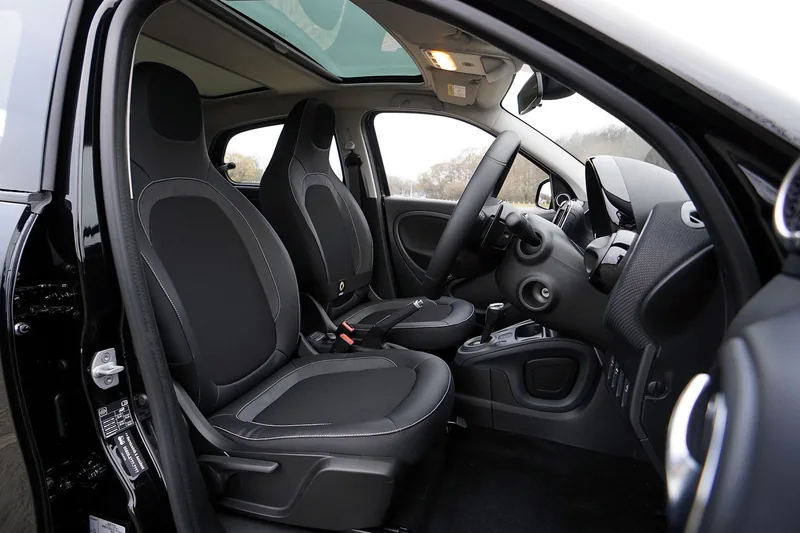
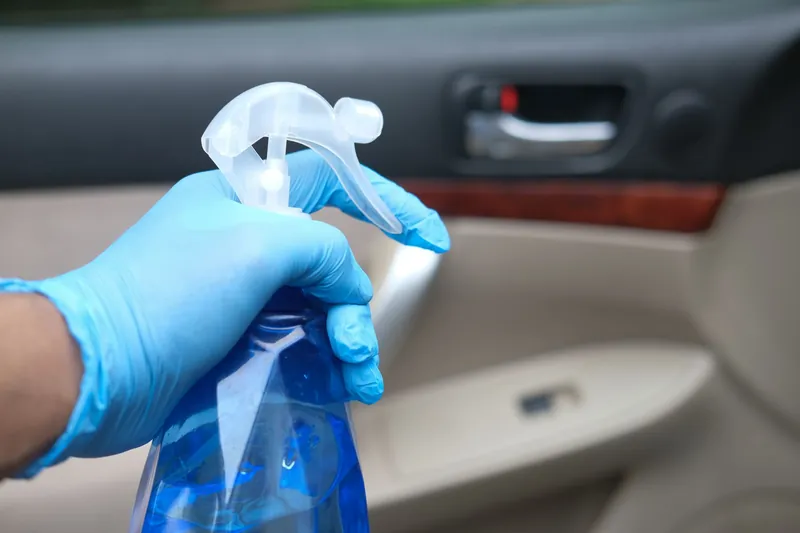
Vehicle biohazard cleanup removes blood, bodily fluids and odors from carpet, vents and seating.
Learn more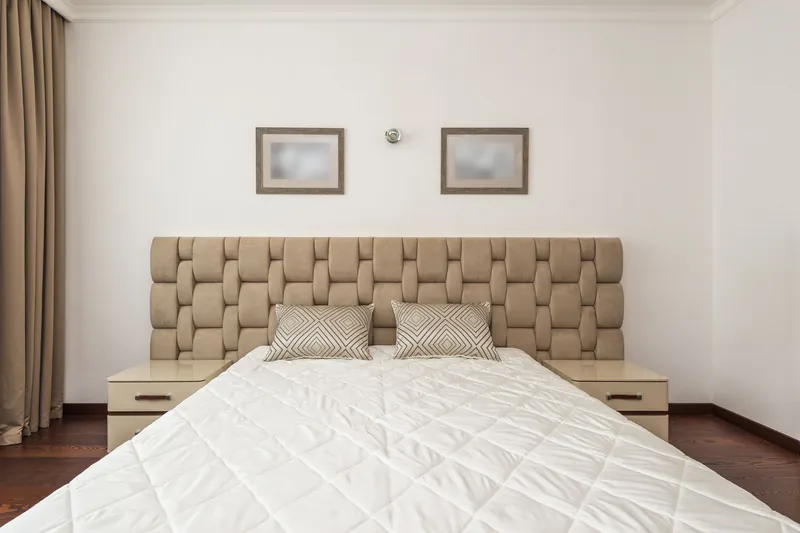
Owners and insurers receive cleanup records as the unit is prepared to return to rental use.
Learn moreSelect the cleanup page that matches your needs. If the right service is unclear, you can call for guidance.
Most people only face this once. These first steps protect your health, your insurance claim and the final cleanup cost.
Call (888) 351-0904The biohazard cleanup process uses a safe, set sequence for every job, from your first phone conversation to the closing inspection.
Say what happened. Technicians inspect the scene, photograph it and agree the scope with you.
Technicians enclose the affected area in plastic so other parts of the property stay separated.
To keep affected material from being left behind, technicians cut out carpet, pad, drywall and other porous items that absorbed infectious materials, then seal them as medical waste.
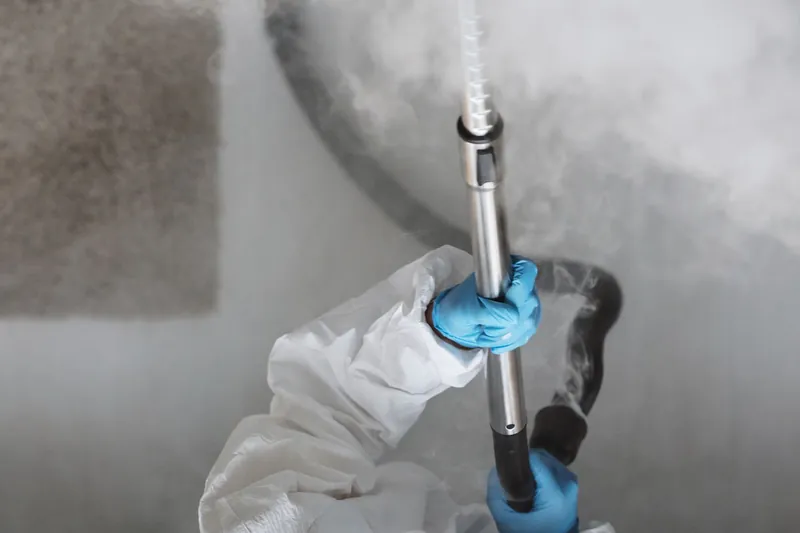
Cleaning every surface is followed by treatment with hospital-grade, EPA-registered disinfectant.
The odor source is treated using ozone, hydroxyl or air scrubbers, and the vents are also examined.
Waste is sealed, tracked with paperwork and taken to a permitted facility for medical waste treatment.
The space is inspected and, where appropriate, ATP tested to confirm a livable condition, and documentation and photos are prepared for your claim.
Your own contractor or a vendor working with your insurer can replace any removed drywall or flooring.
Published cost guides put most residential biohazard cleanup jobs between $1,800 and $8,000. Minor blood jobs can cost less than $1,000, while large work involving sewage, hoarding or decomposition may go beyond $20,000. The real price is set after the on-site assessment.
Often, yes. After a sudden death, crime or sewage backup, homeowners or renters insurance often covers biohazard cleanup minus your deductible.
Owners or property managers usually pay for and organize cleanup inside rental units and shared areas.
The Maryland Criminal Injuries Compensation Board, part of the Governor's Office of Crime Prevention and Policy, lists crime scene cleanup among eligible expenses for crime victims. Insurance is usually checked first.
Payment for death cleanup can often come out of the estate. The responsibility usually falls to a family member or executor.
Sudden and accidental events are usually covered. Coverage usually does not apply to hoarding or ongoing neglect. Check with the insurer prior to starting work.
Call at any time. A cleanup specialist can walk you through the process for your property.
Published guides put most residential jobs between $1,800 and $8,000. Minor blood cleanup may cost below $1,000, but major decomposition or hoarding work can exceed $20,000.
Many renters and homeowners policies pay for biohazard cleanup after a sudden incident, less the deductible. Slow neglect and hoarding are generally excluded from coverage.
Symptoms from sewage germs often start within one to three days, and some infections take longer. Avoid any contact with the area and keep children and pets away.
Biohazard cleanup can be discreet. Crews use unmarked vehicles, limit noise and protect details from others living nearby or working in the building.
A typical job requires one to three days at the site. Hoarding cleanouts, decomposition and heavy scenes can run from several days to two weeks.
Someone answers your call 24 hours a day, on weekends and holidays too.