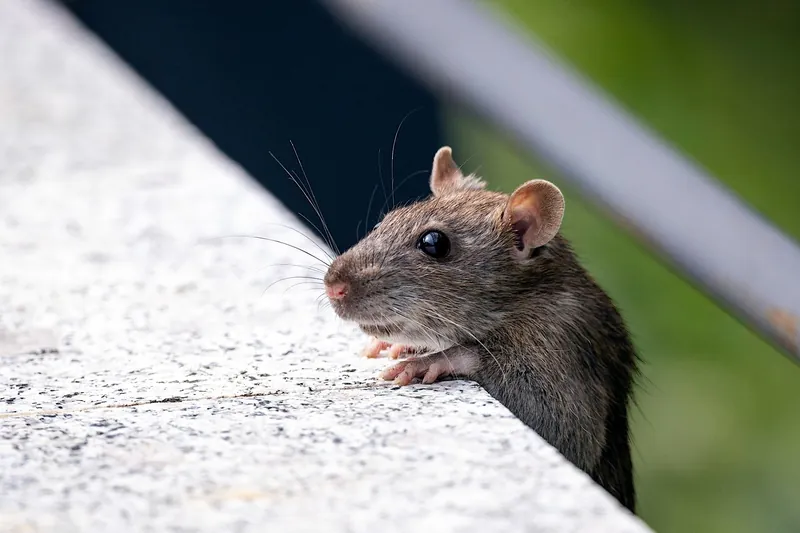
Rodent Droppings and Hantavirus Cleanup
Cleanup for rodent waste and hantavirus covers crawl spaces, attic areas and basements.
See rodent droppings and hantavirus cleanupGet bird or bat droppings, soiled insulation, nesting debris and odor removed from an attic, roof space or building in Idlewood. Cleanup begins after wildlife exclusion is complete.
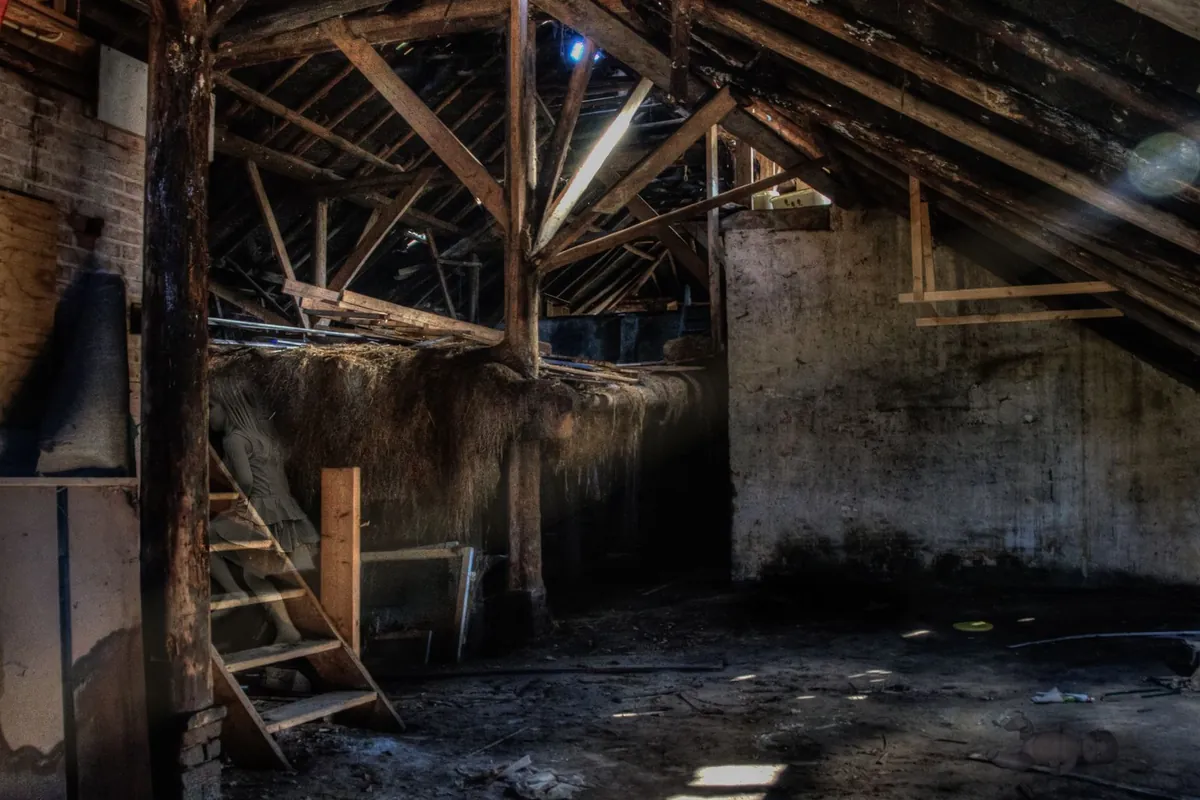
A bird and bat guano cleanup removes droppings under controlled conditions along with nest material, urine traces and affected insulation. It then addresses cleaning, suitable disinfection, odors and disposal of the waste.
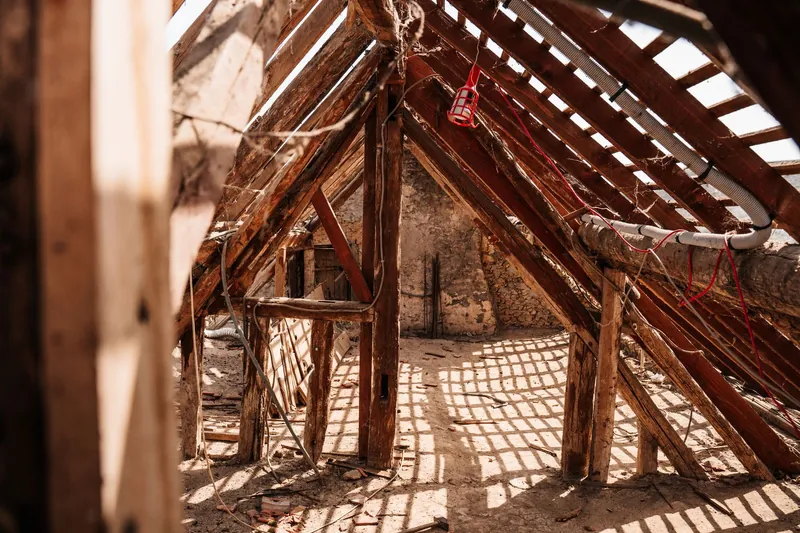
The work often takes place in attics, lofts, barns, warehouses, wall voids, vents and roof areas. Droppings can collect beneath roosts or spread across insulation and stored personal property. A careful inspection identifies the affected area, nearby air pathways and materials that can be cleaned or must be removed.
Ordinary sweeping is not suitable for this biohazard work. Once dry waste is shoveled, brushed or collected with a home vacuum, it may crumble into small airborne particles. Containment, appropriate protective gear and HEPA-filtered tools are used during cleanup to reduce dust spreading beyond the work space.
Before and after photos, a clear scope and disposal records can help you move forward with repairs or an insurance claim. When discretion is important, ask for unmarked vehicles.
Personal property should be separated, photographed and discussed with you before contaminated items are discarded.
Request details about the entire process, including which areas will be cleaned, which materials may come out and where exclusion belongs.
Ask about barriers for the cleanup space, protection along the route and methods used to control the spread of dusty residue.
Professional cleaning may be appropriate when insulation contains the droppings, the affected hard surface is not small or dust could become airborne. Situations often include:
Work around loading areas, warehouses, mechanical spaces and signage may be phased so people remain outside the cleanup zone.
Waste builds below roosts, works into loose attic insulation and creates odor in nearby rooms below.
Controlled removal around fans, intakes or open ducts helps prevent loose dust from reaching rooms people use.
Safe removal of residue left behind can start once a wildlife specialist verifies no bats remain and the entry gaps are addressed.
Protect the space and avoid disturbing the deposits. These first steps make the assessment clearer and reduce the chance of carrying residue elsewhere:
Call (888) 351-0904Published guides list minor guano spot cleaning at $500 to $1,200 and standard remediation at $1,500 to $4,000. Full attic restoration is listed at $4,500 to $9,000. Another published range for larger bat-dropping infestations is $600 to $8,500. Your cost depends on the amount of waste, attic size, access and whether insulation must be removed.
The figures shown are national ranges from published cost guides and are not based on an on-site visit. An on-site assessment determines your property's price, which is explained to you before the cleanup starts.
Ask about cost: (888) 351-0904Insurance may cover the cleanup depending on its cause, the specific policy and how long the issue was developing. Infestation, routine upkeep and animal activity can fall under exclusions. Ask the insurance company about coverage before work begins if the conditions allow.
In a rented commercial property, check which party the agreement assigns to pest control, cleanup, upkeep and roof access.
Ask the insurer whether cleanup services, animal damage, affected insulation and resulting restoration are covered. Long-standing accumulation may receive different coverage than damage that happens suddenly.
Property owners typically coordinate cleanup concerning shared building systems, structural areas or attic space. Payment responsibility for rental cleanup may depend on local requirements and the lease.
Save the inspection images, work description, bills and records of affected materials. Before discarding materials or starting repairs, ask the insurance company which records it requires.
A set order keeps the remediation work controlled. Before each step, the plan considers access conditions, dust containment, material condition and whether exclusion of the wildlife is complete.
Cleanup technicians check exposed deposits and nearby materials before outlining the affected areas and designating a safe access route.
Cleanup starts only when live animals have left. To prevent new deposits after cleanup, access gaps and animal exclusion measures are checked.
The work zone is separated from occupied rooms. Floor coverings, sealed access routes and proper protective equipment keep residue within the affected area.
To control dust, suitable methods are used to collect droppings. HEPA-filtered machines collect tiny particles instead of releasing them again as a household vacuum may.
Deeply affected insulation and other absorbent materials are placed in bags and removed instead of receiving surface treatment alone. Clean material outside the affected boundary can stay.
Cleaning comes first on accessible hard surfaces, followed by an appropriate EPA-registered disinfectant kept wet for the entire labeled contact time.
Any residue still present is sought in structural cavities, seams and beams. HEPA air filtration and source-focused odor removal can improve air quality without covering smell with fragrance.
Cleanup ends with an inspection, photos and an explanation to the property owner of any required insulation or restoration services.
Call any hour. You speak with a bird and bat guano cleanup specialist who outlines the process and schedules a start time with you.
Large or disturbed accumulations can create inhalation and contamination risks, especially in dry, enclosed or poorly ventilated spaces.
During removal, dried droppings can crumble and release fine particles. Bird or bat waste can enrich soil and other material where fungi grow, while disturbance may send spores airborne.
Loose, fibrous insulation can conceal urine, nesting debris and droppings beneath its visible surface. Treating only what you can see might not remove contaminated materials or the smell.
People walking through or moving air can send waste around fans, vents, attic openings and wall gaps into surrounding areas.
Can you clean it yourself? A single recent dropping on an intact, non-porous surface may be picked up with disposable gloves and damp towels, without sweeping, then cleaned with a product suitable for that surface. When residue reaches air systems or insulation, accumulates broadly, smells strongly or is hard to access, professional cleanup is needed.
The schedule is set after inspection because a surface spot, a contaminated attic and a site needing wildlife exclusion involve different work. Access, dust control, insulation removal, odor and restoration all affect the timeline.
| Scene | Typical time on site |
|---|---|
| Limited affected surface that is easy to reach | Could be completed during one scheduled visit following inspection |
| Attic with deposits across insulation | Needs time for containment, removal, cleaning and a final check |
| Major accumulation combined with restoration or exclusion work | Often completed in stages coordinated with wildlife and repair work |
Source removal comes before lasting odor treatment. First take out droppings, nests and insulation that is deeply soiled, then treat the remaining surfaces. Covering the smell with fragrance leaves residue untouched in cracks, porous items and concealed attic areas.
After removal, beams and other cleanable surfaces are treated, and HEPA air filtration can reduce dust released during the work. The cleaning service should also inspect vents, attic hatches and wall openings that could carry odor or particles into occupied spaces. Moisture or an active roof leak should be corrected so the cleaned area stays dry.
Applicable wildlife rules may change how and when active animals are excluded. Confirmation of animal removal and completion of lawful exclusion should come before cleanup.
The product must suit the material and have EPA registration, with the surface kept wet throughout its labeled contact time.
Maryland calls this special medical waste, which can include blood-soiled articles. Maryland Department of the Environment rules control how it is handled, transported and treated, so it cannot go in household trash. Also verify how area disposal requirements apply to contained droppings, nest debris and insulation.
Local health and building rules can affect how a contaminated room is cleaned and when it can be used again, so mention any notice you have received from the city or county. Ask area public health, wildlife and building authorities whether additional requirements govern animals, entry or waste from guano work.
The full bird and bat guano cleanup guide covers what is cleaned or removed, odor and air quality work, and the rules that apply in Maryland and Baltimore City.
Read the full bird and bat guano cleanup guide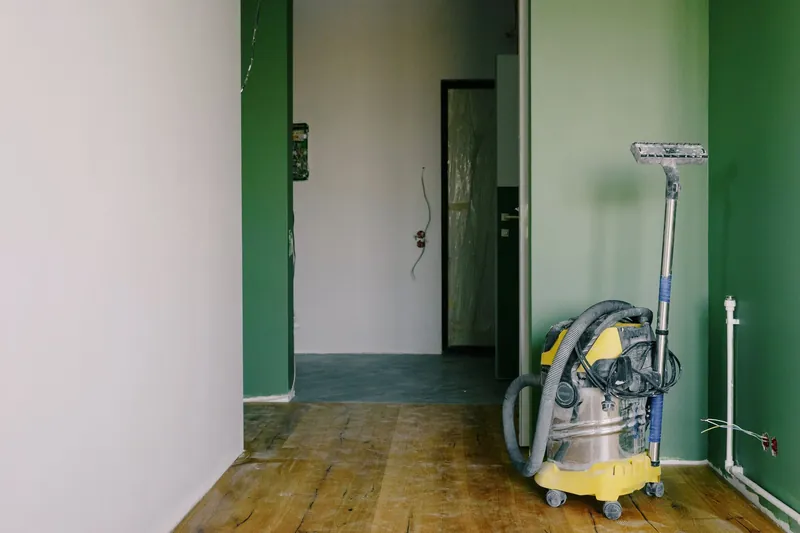
Planning for access, containment and cleanup can depend on local population, housing and entry conditions.
Knowing that MedStar Good Samaritan Hospital is about 0.6 miles away helps households plan where to seek care before arranging scene cleanup.
The surrounding area includes Ramblewood, Glen Oaks, and Loch Raven, so cleanup travel may cross several local streets or municipal boundaries.
The Baltimore City location helps orient travel, while the neighborhood and full address identify where private cleanup work actually occurs.
Ask on the call about cleanup options for neighboring communities and ZIP codes.
Cleanup for rodent waste and hantavirus covers crawl spaces, attic areas and basements.
See rodent droppings and hantavirus cleanup
Dead animals are removed from vents, walls and crawl spaces, followed by odor cleanup.
See dead animal removal and cleanup
Animal hoarding cleanup of waste, urine soaked materials and ammonia odor.
See animal hoarding cleanup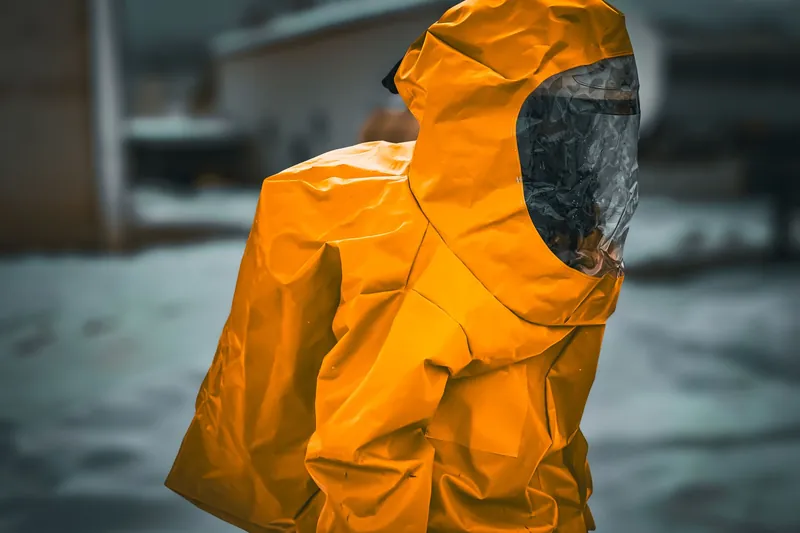
Any property receives disinfection after removal of infectious materials, including bodily fluids and blood.
See biohazard cleanup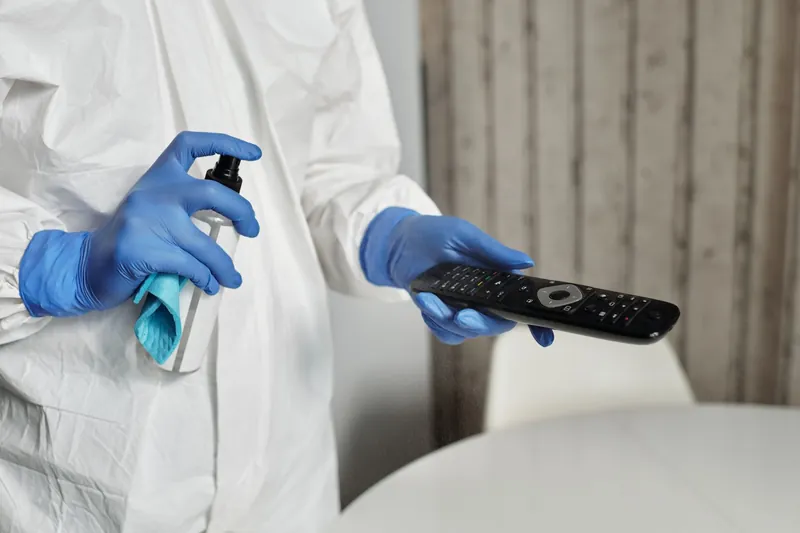
Biological remediation removes contamination so the space can be safely used again.
See biohazard remediation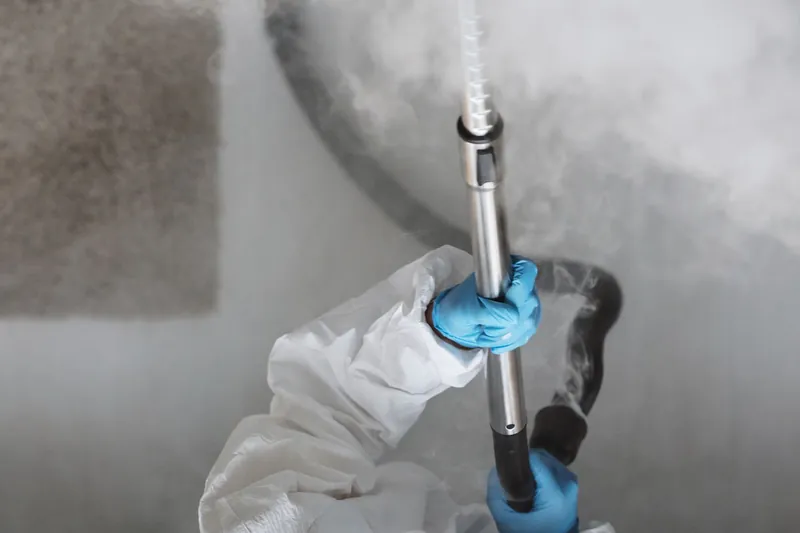
Infectious disease disinfection with EPA-registered products and full surface coverage.
See infectious disease disinfection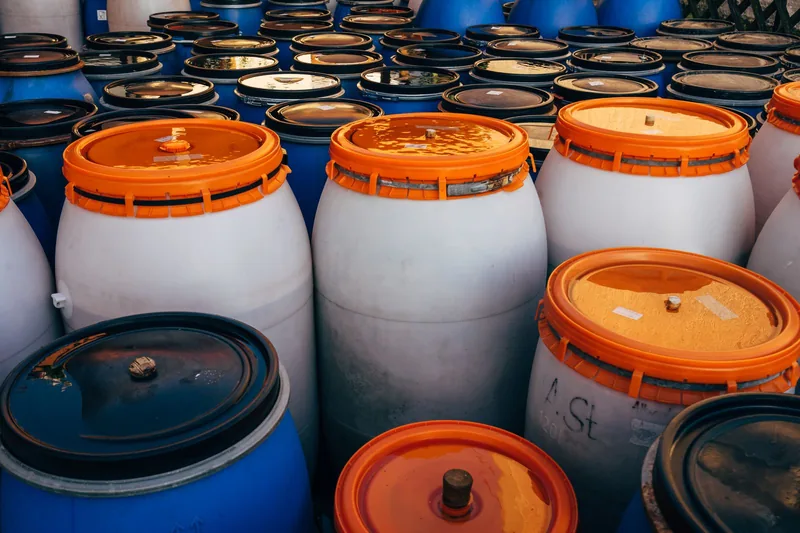
Hazmat cleanup of hazardous materials with the right protective equipment.
See hazmat cleanup
Site access and operating needs guide planning for commercial and industrial biohazard cleanup.
See commercial and industrial biohazard cleanupYour coverage depends on the cause and policy terms. Some insurance policies may omit coverage for infestations, gradual damage or activity by animals. Find out whether cleanup, insulation removal and repairs are covered, and ask the insurance company what documentation to submit. Treat coverage as unconfirmed until your insurer verifies the work under the policy.
Smell should lessen after urine-contaminated insulation, guano and nesting debris are taken out at their source. Cleanable surfaces are then treated, and hidden joints or cavities are checked for residue left behind. You also need to stop moisture, repair roof leaks and prevent animals from returning, or the smell may recur.
Disturbing a large dry accumulation can release dust and fungal spores into the air. Not every deposit results in illness, and the health risk changes with the amount and site conditions. Avoid sweeping or using a household vacuum. Contact a medical professional for advice when possible exposure raises concerns about your health.
Buildup that spreads through insulation or across rafters differs from a lone, recent dropping on a hard surface. Professional cleanup is safer for waste that covers a broad area, creates dust, affects insulation, sits by vents or cannot be reached easily. Do not allow pets or anyone else into the affected space, and leave the area unswept until you choose how to proceed.
Right. A wildlife specialist needs to check that no bats remain and address their entry gaps prior to cleanup. Wildlife regulations and dependent young may determine when exclusion occurs and which method is appropriate. Because animals may still be inside, check a known opening before sealing it.
Barriers isolate the cleanup zone from rooms people use, while protective coverings secure the entry path. Cleanup technicians rely on controlled collection and proper protective gear, adding HEPA-filtered tools when conditions require them. Rather than sweep or use a household vacuum, workers remove affected porous material before cleaning hard surfaces and applying an appropriate disinfectant.
Crews carry out respectful, discreet bird and bat guano cleanup, arrive in unmarked vehicles and take calls 24 hours a day.