Trauma Scene Cleanup
Following accidents, violence or injuries, trauma scene cleanup addresses the affected area.
See trauma scene cleanupGet blood, bodily fluids and contaminated materials removed after an accident or injury in a home, workplace, vehicle or shared space in Mid-Govans. Cleanup can begin after urgent care and any required scene release.
Professional accident and injury scene cleanup removes blood, bodily fluids and contaminated items after a person is hurt at home, at work, in a vehicle or in a public area.
Medical treatment and emergency activity must finish before this service begins. When police are investigating, cleaning also waits until they release the scene. Cleanup technicians examine both the affected space and the areas around it. They establish boundaries and select methods suited to each surface. Their aim is removal of the contamination, not covering it up.
Accident cleanup covers disinfection and blood cleanup, plus attention to odors, belongings and the preparation of hazardous waste. Sometimes biohazard remediation must reach behind wall finishes or beneath floors and carpeting. A small injury may affect just one room, while a trauma scene can extend through several spaces. Restoration occurs after decontamination and replaces the materials that were removed.
Cleanup details, photographs and disposal records can be arranged for your property manager, insurance company or employer's file.
You are told what the cleanup involves, which materials might be removed and what affects cost before starting.
You can help identify and organize important personal items if conditions allow. An item's location near the affected area alone does not mean it is thrown away.
Crews use unmarked vehicles and maintain control of the work zone. That approach protects privacy at homes, businesses and shared properties.
Professional accident scene cleaning may be appropriate when blood or another bodily fluid touches a surface that ordinary household cleaning cannot make safe. Situations that commonly require this service include:
Blood may reach walls, furniture, carpet or tile after a cut, fall or medical event. You especially need professional cleanup when wet material is porous or you cannot determine the spill's outer edges.
An injury in an office, shop, warehouse or jobsite can affect equipment, floors and walkways. Access to the affected areas should remain restricted through completion of cleaning and disinfection.
More than the surface in view may be affected after a serious injury. During trauma cleanup, seams, baseboards, joints and flooring layers are checked for contamination.
If an accident causes a death, cleanup does not start before the responsible authority releases the scene. The work is completed with privacy and respect for loved ones and personal property.
Get medical help first, then prevent contact with the affected area. These steps protect you and preserve clear information for the cleanup assessment:
Call (888) 351-0904Accident and trauma scene cleanup appears in published cost guides at $1,500 to $5,000 for each job, with a broader trauma scene span of $500 to $8,000 per job. Those ranges help with planning but do not serve as a quote. Your actual price depends on findings during assessment, including the volume of blood and bodily fluids, impacted materials, rooms involved and waste disposal needs.
The figures shown are national ranges from published cost guides and are not based on an on-site visit. You learn what your property will cost after the on-site assessment and before any work begins.
Ask about cost: (888) 351-0904Coverage for accident scene cleanup is sometimes available, but it varies according to the incident, property, insurance policy and who bears responsibility for the place.
Sudden damage related to blood or other bodily fluids may fall under homeowners or renters coverage. Contact the insurance company and ask whether biohazard cleanup, removed materials and restoration are included.
The business or property owner usually arranges workplace cleaning services. OSHA rules that cover possible worker contact with blood and the employer's exposure plan should also be followed.
Ask what the adjuster needs before materials are discarded when safety allows. The cleanup scope, waste records, photos and invoices can help insurance companies evaluate your loss.
The Maryland Criminal Injuries Compensation Board, part of the Governor's Office of Crime Prevention and Policy, lists crime scene cleanup among eligible expenses for crime victims. Insurance is usually checked first.
The cleanup process follows a controlled order so contamination does not spread. Every situation has a different scope, but the entire process moves from assessment and containment through disposal and a final check.
Cleanup technicians check the affected area, nearby traffic routes, surface types and involved personal property. Visible conditions are recorded, and the proposed work is described.
A barrier separates clean interior spaces from the work area. Protective equipment is selected for the exposure, and technicians establish a route for transporting supplies and contained waste.
Controlled techniques are used to take away bulk residue. The work moves from cleaner edges toward heavier contamination so the cleaning service does not spread material.
Deeply soaked materials such as drywall, carpet padding, furniture foam or unfinished wood can require removal when every affected part cannot be disinfected.
Cleaning takes place first on retained surfaces, followed by application of an EPA-registered disinfectant. The surface stays wet for the full contact time stated on the product label.
The source must be addressed first during odor removal. After contaminated matter has been removed, appropriate ventilation and air cleaning devices may be used according to room conditions and any odor that remains.
Applicable waste disposal rules govern how crews seal used protective gear and removed material before transport. Documentation may support property records and insurance assistance.
The crew inspects the work area, verifies what was removed and describes restoration tasks that remain. You can use records and photos to move forward with needed repairs.

Call any hour. An accident and injury scene cleanup specialist answers, explains the steps and agrees a start time with you.
Blood or bodily fluid exposure can put you in contact with bloodborne pathogens, while affected materials may still contain contamination beneath a clean-looking surface.
You may find it distressing to clean a place where a person suffered a serious injury. Professional cleanup allows property owners, workplace staff and loved ones to remain away from the trauma scene.
Liquids can penetrate carpet padding and gather in furniture joints or cracks next to baseboards. A surface wipe may leave contaminated materials in the layers underneath.
Hazardous waste may include absorbent materials, used cleanup supplies and disposable protective gear. Such waste requires secure packaging and disposal that follows applicable state rules.
Can you clean it yourself? If you wear disposable gloves and follow the complete label contact time for an EPA-registered disinfectant, several recent drops on sound non-porous material might be manageable. Seek professional cleanup when blood reached carpet, upholstery, unfinished wood or wall cavities, when a sharp is present, or when you cannot see the full affected area.
Non-porous belongings are often suitable for cleaning and disinfection when every affected part is accessible. If blood or bodily fluids soak into unreachable areas of a porous item, removal may be necessary.
Cleanup timing depends on the affected area's size, the types of material involved and any contamination within concealed layers. The schedule should be based on an on-site assessment, not promised before anyone has viewed the scene.
| Scene | Typical time on site |
|---|---|
| Small surface accident | The surface and spill perimeter are checked before timing is set |
| One room with porous materials | Material removal, disinfecting and preparing waste determine the timing |
| Multiple rooms, structural materials or one vehicle | Timing depends on access, material removal and final checks |
Odor work starts with locating and removing its cause. Using fragrance will not fix contamination hidden in upholstery, under carpeting or past the trim. If surface cleaning does not end the smell, nearby porous material and concealed areas are checked before the air is treated.
After controlling the source, the air may be addressed with ventilation and HEPA scrubbing. Suitable equipment depends on the area and the people who might use it. A proper explanation covers which materials may stay, which must come out and when restoration can begin for the affected areas.
The full accident and injury scene cleanup guide covers what is cleaned or removed, odor and air quality work, and the rules that apply in Maryland and Baltimore City.
Read the full accident and injury scene cleanup guideLocal housing, population and access details can shape containment, access and cleanup planning.
If direct exposure occurs, the closest listed emergency option is MedStar Good Samaritan Hospital, about 0.9 miles away, not the cleanup site.
Greater Govans, Woodbourne-McCabe, and Belvedere are nearby, which helps define practical routes for crews, equipment, and sealed waste containers.
The neighborhood setting makes privacy especially important when equipment must pass through sidewalks, lobbies, or other visible common areas.
Your phone conversation can include questions about service in nearby ZIP codes and communities.
Following accidents, violence or injuries, trauma scene cleanup addresses the affected area.
See trauma scene cleanup
Blood cleanup clears blood from furniture, walls, hard floors and carpet, followed by safe disposal.
See blood cleanup
Large or small, every fresh or dried blood spill is covered by blood spill cleanup.
See blood spill cleanup
During cleanup, blood exposure involving hepatitis C, HIV and hepatitis B is controlled.
See bloodborne pathogen cleanup
Across care settings, commercial spaces and homes, bodily fluid cleanup includes disinfection.
See bodily fluid cleanup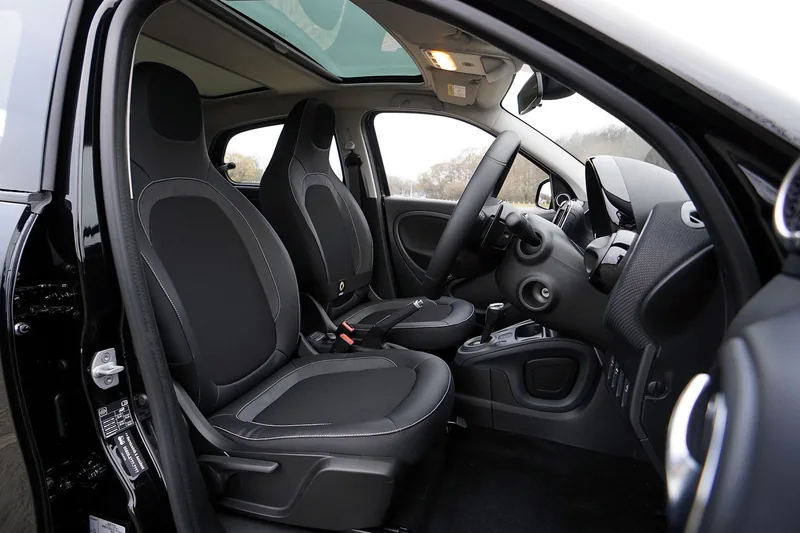
Biohazard cleanup covers vehicles including cars, trucks, recreational vehicles and boats.
See vehicle biohazard cleanup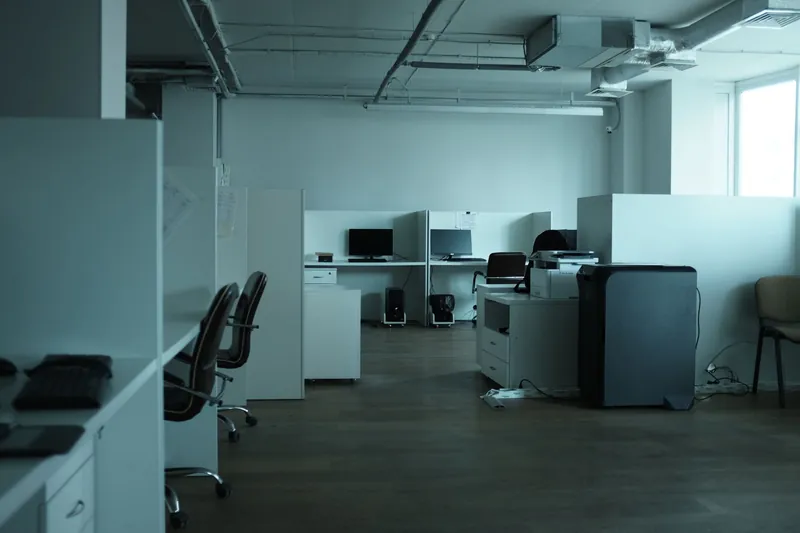
Office and workplace biohazard cleanup after injuries or exposures.
See office and workplace biohazard cleanup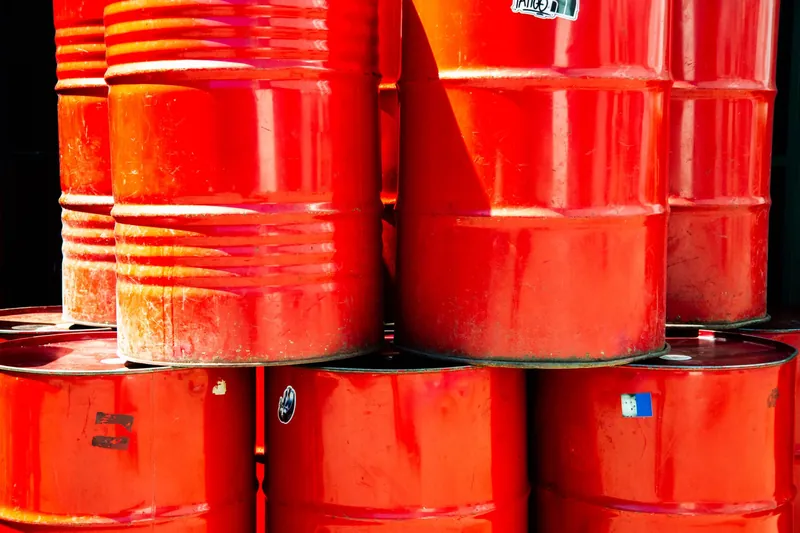
Biohazard waste pickup and disposal in sealed, labeled containers.
See biohazard waste disposalCleaning carpet is an option only if the affected layers are all accessible and contamination remains limited. If blood soaked through to padding or subfloor, the affected carpet and pad generally need removal so the layer below can be cleaned and disinfected. The decision ultimately rests on the material type and how deeply it absorbed fluid.
Start by getting medical attention for anyone who is hurt. Keep other people and pets away from the blood, and do not touch it with bare skin. Avoid putting contaminated material in a home washing machine or cleaning it with a household mop or vacuum. When the affected edges cannot be identified or a porous surface absorbed the spill, seek professional accident scene cleanup.
Blood may still carry bloodborne pathogens once dry. According to the CDC, hepatitis B may remain on surfaces for at least seven days. Because appearance cannot confirm safety, use protective gear, proper cleaning methods and a suitable disinfectant around dried residue.
Possibly, yes. Whether coverage applies varies with the incident, policy, place and person responsible for the property. Tell your insurance company about the accident, then ask whether biohazard cleanup, removed items and restoration have coverage. Retain any adjuster-requested waste documentation, pictures, invoices and your claim number.
Emergency responders concentrate on treating injuries, conducting rescue and maintaining public safety. They generally do not perform biohazard cleanup at the property. Whoever is responsible for the vehicle, home, public space or jobsite arranges the cleaning service following emergency work and a law enforcement release when needed.
Clean exposed skin right away using soap and water. Flush the eyes, nose or mouth with clean water if blood reached them. After blood contacts broken skin, the eyes, nose or mouth, or after a needlestick, get medical advice without delay. For appropriate advice, tell your clinician the time and manner in which contact occurred.
You can request respectful, discreet accident and injury scene cleanup 24 hours a day, and crews use unmarked vehicles.