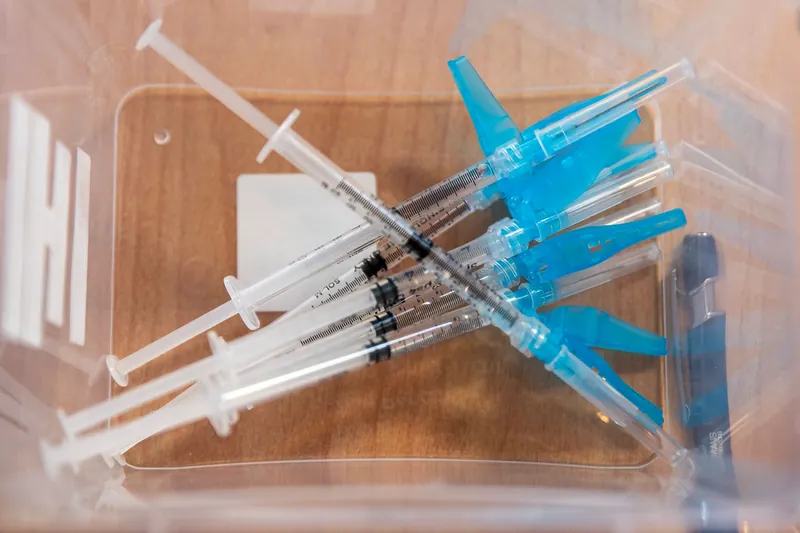
Needle and Sharps Cleanup
Needles and other sharps are removed from rentals, yards, encampments and parks.
See needle and sharps cleanupGet needles, pipes, baggies and unknown residue removed from a home, rental, workplace, vehicle or outdoor area in Pleasant View Gardens. Keep people and pets away, and do not touch sharps or powder.
Drug paraphernalia cleanup consists of safely collecting drug debris, then cleaning the affected space. Items may include foil, baggies, pipes, syringes and needles, along with residue or associated biological contamination.
You may need this service at a house, rental property, apartment, hotel, job site, vehicle or exterior area. The search starts with visible debris and continues through drawers, nearby openings, furniture, bedding, air vents and flooring edges where sharps can be concealed. Technicians immediately secure each needle in a rigid sharps container. They package other hazardous materials according to condition and relevant waste requirements.
Meth lab cleanup is separate from drug debris removal. Limited residue on a surface and loose paraphernalia may belong within this service. A different response is necessary when you find pressurized cylinders, odd glassware, containers with stains, intense chemical odor or evidence of drug production. Stay out and avoid disturbing any suspected lab. Cleaning must not begin until the fire department or law enforcement gives instructions.
Unmarked vehicles help crews reduce attention near your rental, home, workplace or business as they clear the affected areas.
A clear explanation of search areas, cleanable items, possible removals and relevant pricing factors helps you decide how to move forward.
Photos, the work scope and available waste records create a clear account for property owners, managers, insurance companies and other responsible parties.
Personal items receive a cautious search for hidden sharps, with keepable property isolated from contaminated materials when possible.
You may need drug paraphernalia removal if discarded debris or remaining residue could expose cleaners, repair workers or anyone coming onto the property. Typical situations include:
A search of each room and surrounding areas before repairs may uncover items hidden below furniture, around baseboards or in drawers.
Grounds, break areas, storage rooms and restrooms may hold residue or sharps that routine staff should not gather.
Safe preparation of a guest room for future use may require cleaning, a thorough sweep and removal of any hidden sharp objects.
You may discover used syringes or associated debris around parks, alleys, vacant lots, stairwells, loading zones or parking areas.
Your priority is stopping all contact. Keep everything where you found it, except when an immediate hazard makes moving it unavoidable. Take the following steps next:
Call (888) 351-0904Credible public cost guides do not publish a range specifically for drug paraphernalia cleanup. The following context comes from published general biohazard cleanup guides. They give the residential average as $1,800 to $4,500 and the typical national range as $3,000 to $5,000 in their figures. Many home projects range from $2,500 to $8,000 according to the guides, and the entire published span runs from $1,500 to $25,000 overall. The actual price cannot be known before assessing the space, since a limited sharps pickup differs greatly from residue work involving multiple rooms.
The figures shown are national ranges from published cost guides and are not based on an on-site visit. The price for your property is set after the on-site assessment, and you hear it before work starts.
Ask about cost: (888) 351-0904Insurance coverage is determined by policy terms, what caused contamination and the party responsible for the property. Contact the insurer to ask whether biohazard cleanup is covered, and do not assume the work qualifies.
Homeowners or renters insurance, the estate or the property owner usually pays for this kind of cleanup. The Maryland crime victim compensation program helps only when a crime caused the loss. Check directly with the program about eligibility for your particular incident and cleaning expense before expecting repayment.
Retain invoices and available disposal records along with the work scope and any safely taken photos. This documentation helps describe both the findings and the completed cleanup work.
For contamination in rentals or shared spaces, the owner or manager commonly schedules cleanup before resolving tenant responsibility through local rules and the lease.
A renters or homeowners policy might approach the contamination differently according to its source. Report the condition, describe the affected area and ask what records are required.
The cleanup process moves from control of the area to a careful search, removal, surface cleaning and final inspection. Every step is adjusted to the property and the material found.
Cleanup technicians assess the affected areas for obvious sharps, potential residue, porous items and spaces requiring a detailed search.
Entry is restricted while protective gear is chosen for unknown residue, puncture risks and associated biological contamination.
Visible needles are lifted with suitable tools and placed directly into a puncture-resistant sharps container without bending or recapping.
A systematic search covers each room and surrounding areas, with attention to vents, bedding, furniture, drawers, floor edges and similar hiding spots.
A process appropriate for the residue is used on hard surfaces, while biological hazards receive an EPA-registered disinfectant for its labeled contact time.
Porous materials that cannot be cleaned completely are recorded and isolated in packaging that limits movement of residue or sharps during removal.
Appropriate containers hold sharps and other hazardous waste before the materials follow a disposal path allowed by relevant rules.
A final search looks for overlooked objects, inspects cleaned surfaces and prepares photographs or documentation for the property owner.
Call any hour. You speak with a drug paraphernalia cleanup specialist who outlines the process and schedules a start time with you.
Used needles, contaminated objects, shattered glass and residue you cannot identify may create serious health risks. An unseen item or material with unknown contents adds to the danger.
You may encounter concealed needles among belongings or within bags, boxes, bedding, drains, clothing and upholstery. You risk injury when reaching anywhere whose bottom is not visible.
Loose sharps and contaminated waste do not belong in an ordinary bag or recycling bin. The type of material and applicable state requirements determine its packaging, transport and waste disposal.
A discarded needle can puncture skin and may contain blood. The CDC says hepatitis B can survive on surfaces for at least seven days, so an old-looking item should still be treated with care.
Can you clean it yourself? Never approach unidentified powder as if it were household dust. For one discovered needle, prevent people from approaching and use local public health directions on community sharp disposal. The chance of wider contamination or a sharp puncture decreases with professional cleanup if residue, multiple items, bodily fluids or hidden sharps are found.
Safely collectible debris is taken away, and hard surfaces that can be cleaned receive treatment. Porous items are assessed for residue, puncture risk and the possibility of complete cleaning.
The OSHA Bloodborne Pathogens Standard, 29 CFR 1910.1030, sets requirements for training, protective equipment and exposure control when workers can contact blood.
Biological hazards call for an EPA-registered product matched to the organism, applied so the treated surface stays wet for the full contact period stated on the label.
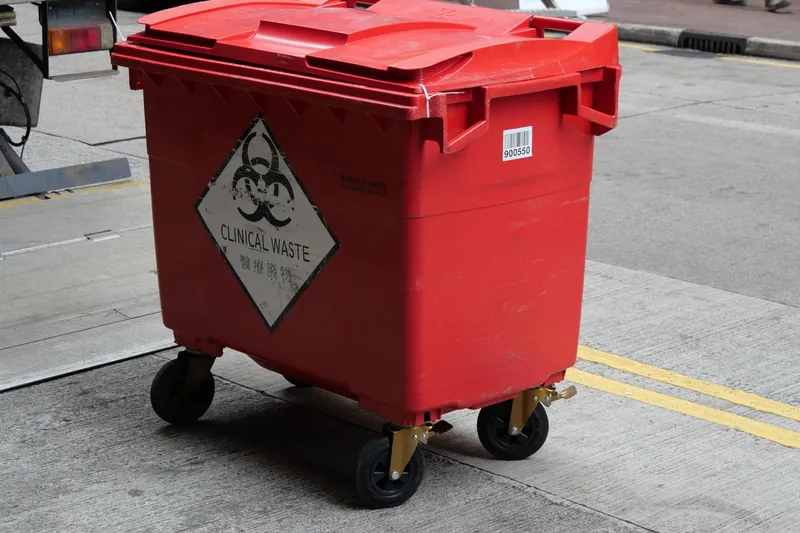
Maryland calls this special medical waste, which can include blood-soiled articles. Maryland Department of the Environment rules control how it is handled, transported and treated, so it cannot go in household trash. Determine the waste type before transport because sharps, regular debris and unknown chemicals can require different disposal routes.
Local health and building rules can affect how a contaminated room is cleaned and when it can be used again, so mention any notice you have received from the city or county. Leave possible evidence or materials tied to suspected active drug production untouched until the proper authority releases the location for cleanup.
The time depends on how much material is present, how widely it is scattered and whether residue or hidden sharps require detailed cleaning. A visible group of items takes less time than a full property search with porous material removal.
The full drug paraphernalia cleanup guide covers what is cleaned or removed, odor and air quality work, and the rules that apply in your state.
Read the full drug paraphernalia cleanup guideLocal population patterns, housing and site access may affect how containment and cleanup are planned.
Knowing that Mercy Medical Center is about 0.5 miles away helps households plan where to seek care before arranging scene cleanup.
Crews coming in from Jonestown, Old Town or Penn-Fallsway should keep vehicles and equipment staged close to the affected property for privacy.
Because this is a neighborhood within Baltimore, cleanup access may depend on local parking, common entrances, or building management rules.
Ask on the call about cleanup options for neighboring communities and ZIP codes.
Needles and other sharps are removed from rentals, yards, encampments and parks.
See needle and sharps cleanup
After fentanyl exposure, decontamination addresses rooms, vehicles and other surfaces.
See fentanyl decontamination
Meth lab cleanup with residue testing, decontamination and clearance steps.
See meth lab cleanup
After exposure to infectious or hazardous material, the air, room and surfaces are fully decontaminated.
See biohazard decontamination
Biohazard waste is collected in labeled, sealed containers and taken for disposal.
See biohazard waste disposal
Medical waste removal and disposal through approved treatment facilities.
See medical waste removal
Biohazard cleanup for hotels, Airbnb units and rental properties.
See hotel, airbnb and rental biohazard cleanup
Cleanup after tenants move out or are evicted addresses filth, fluids and discarded waste.
See eviction and tenant move-out biohazard cleanupWhile residue and needles are collected, keep away from the designated work zone. If workers can isolate the affected area and do not suspect chemical danger, you might stay in another part of the property. Follow the site instructions given after the assessment, and keep children and pets away until the area is released.
Cleaning methods vary according to the possible residue and the types of surfaces involved. Access is controlled first. Loose hazardous material is collected without dry sweeping, cleanable hard surfaces are treated with suitable products and contaminated porous material may be removed. Touching, smelling and using an ordinary vacuum are unsafe ways to test uncertain powder.
A search throughout individual rooms requires more time than removal of an isolated set of items in plain view. The workload increases with concealed sharps, unidentified residue, extensive debris and affected furnishings or carpet. An inspection of the affected areas allows cleaners to discuss the expected schedule and whether removal will require more than one work period.
Coverage varies with the policy terms, contamination cause and control of the property. When contacting the insurance company, request specific answers about contaminated property, biohazard cleanup and drug residue. Your records should include the cleanup details, invoices, disposal paperwork and images made without approaching hazards. The ultimate payer may be determined by a deductible, excluded event or tenant liability.
Cleanup covers a detailed search for foil, needles, pipes, baggies and associated debris, proper containment, treatment of impacted hard surfaces and assessment of porous materials. When bodily fluids are found, biohazard cleaning calls for appropriate protective equipment alongside an EPA-registered disinfectant kept wet for the complete contact time on its label.
A specific pricing range for the service is not available from any credible public source. A small sharps collection may cost differently, so general biohazard cleanup figures serve only as context. The amount of material, residue, surfaces affected, search area and waste disposal route all change the actual price, so the property must be assessed first.
You can request respectful, discreet drug paraphernalia cleanup 24 hours a day, and crews use unmarked vehicles.