Bodily Fluid Cleanup
Across care settings, commercial spaces and homes, bodily fluid cleanup includes disinfection.
See bodily fluid cleanupGet human feces removed from a home, rental, workplace or public restroom in Waltherson. The affected area is cleaned, disinfected and treated for odor before normal use resumes.
Human feces cleanup means removing fecal matter under controlled conditions, then cleaning and disinfecting all affected areas, treating odor and disposing of waste safely.
This type of cleaning may be needed because of an accident, illness, overflowing toilet, hoarding condition, sanitation issue or recurring contamination in shared space. Suitable locations include homes, apartments, hotels, care settings, stores, offices, schools and public restrooms. If the area contains both feces and urine, cleanup may address them together.
Removing what you can see is only one part of the work. Technicians set up a work zone and shield nearby areas, then discard contaminated items that cannot be disinfected. Hard surfaces are cleaned before an EPA-registered disinfectant stays on for the entire contact time stated on its label. Air quality and odor work come after the source is removed, rather than relying only on fragrance.
The cleaning plan, possible removals and factors that could alter the scope are explained to you in advance. You can ask questions throughout the entire process.
Calls are answered day and night, and crews can arrive in unmarked vehicles. The discussion about your circumstances remains respectful and calm.
Photos, the work scope and disposal records can be organized for property owners, managers and insurance companies when requested.
When possible, you take part as personal items are assessed. Workers do not classify belongings as waste based solely on proximity to the affected area.
Professional cleanup services are appropriate when the amount, location or condition makes ordinary household cleaning unsafe or impractical. Common situations include:
Bedding, floors, furniture and the route out of a room may be affected by a bowel accident. Cleanup covers the visible spot and any surrounding areas reached by shoes, wheels or hands.
A move-out, an eviction or a welfare check may leave property owners and managers facing discovered waste. Careful cleaning is needed before the unit is inspected, repaired or occupied by another tenant.
An incident in an office, restroom, vehicle or shared space may require employers to arrange a prompt, documented cleaning process.
A mixture of contaminants may penetrate upholstery, grout, wood and carpeting. Source removal is needed before stains and odor can be treated.
Stopping contamination from traveling and avoiding contact are your immediate priorities. Take the steps below while making arrangements for an appropriate cleanup service:
Call (888) 351-0904No separate range for human feces cleanup appears in published pricing guides. The nearest bodily-fluid range, covering small blood or fluid cleanup, starts at $500 and ends at $2,500 overall. The wider blood-cleanup span has $300 at the low end and $4,000 at the high end. These related references are not a set quote for feces cleanup. The amount of waste, affected surface, disposal needs and odor treatment determine your cost.
These national ranges are taken from published cost guides, rather than a property visit. An on-site assessment determines your property's price, which is explained to you before the cleanup starts.
Ask about cost: (888) 351-0904Whether you have coverage depends on the source of contamination, the damaged property and your policy's exclusions, limits and terms.
Ask your insurance company whether the cause is covered and whether cleanup, removal of damaged materials and restoration are separate parts of the claim. A policy might treat gradual neglect differently than an abrupt event.
The cause, applicable local requirements and lease terms may determine responsibility. When practical, property owners should record the damage and contact the insurer before throwing away affected building material.
Your claim may be supported by photographs, detailed work scope and disposal documentation. Ask your insurer whether you may select a cleaning service and must obtain another approval for restoration services.
The business typically coordinates cleaning for the property it occupies. Keep the affected area restricted through completion, and find out which documents the insurance company requires.
To keep waste from being carried into clean spaces, the remediation work proceeds in a controlled order from contaminated areas. You are informed about the scope of every step before cleaning starts.
During assessment, trained technicians locate affected areas and surfaces, note access limits, and check for urine, needles, an active sewage backup or blood.
Access is blocked before cleanup technicians enter the work area in protective gear suited to the exposure. Using uncontaminated paths in and out reduces risk to surrounding rooms.
Workers collect the visible matter cautiously, avoiding sweeping and spraying. Single-use materials go immediately into sealed, durable bags or containers.
With your permission, workers may remove carpeting, padding, raw wood, drywall or furnishings that cannot be completely cleaned, keeping them apart from unaffected belongings.
Cleaning first removes visible soil and residue from solid surfaces. The product can work only if it contacts the surface for the amount of time stated.
The surface receives a suitable EPA-registered disinfectant used as its label directs. When contact could have carried contamination, cleaning also covers nearby surfaces and frequently touched points.
The source is removed before odor treatment begins. When odor or airborne material reaches surrounding spaces, air scrubbers and specific treatments may be appropriate.
Workers inspect the cleaned space for odor, leftover material or areas that were missed. After cleanup finishes, repairs can proceed and sealed waste is managed according to local rules.
You can call anytime. A specialist in human feces cleanup takes your call, explains each step and agrees on a start time with you.
Human feces may contain parasites, bacteria and viruses capable of causing disease. For that reason, the greatest cleanup health concerns are accidental spread and direct contact.
Keep children, seniors and immunocompromised people outside the affected and surrounding areas until disinfection, removal and final checking have been completed.
Yes, you should consider fecal material a biohazard since illness-causing organisms may be present. A dry appearance does not remove the danger, and direct contact without gloves is unsafe.
Sharp objects, including needles or broken glass, might be buried in the material. Avoid hand-compressing bags and reaching through piles if the contents are not visible.
Can you clean it yourself? When a recent accident is minor and the surface is sealed and non-porous, you may manage it with disposable gloves, cautious pickup and an EPA-registered disinfectant left on for the full label contact time. You need professional cleanup when the material has spread widely, dried out, combined with sharps or blood, or absorbed into carpet, furnishings, wallboard, lumber or other porous items.
Materials that can be reached and fully disinfected are usually kept. Porous materials that absorbed waste may need removal because contamination can remain below the visible surface.
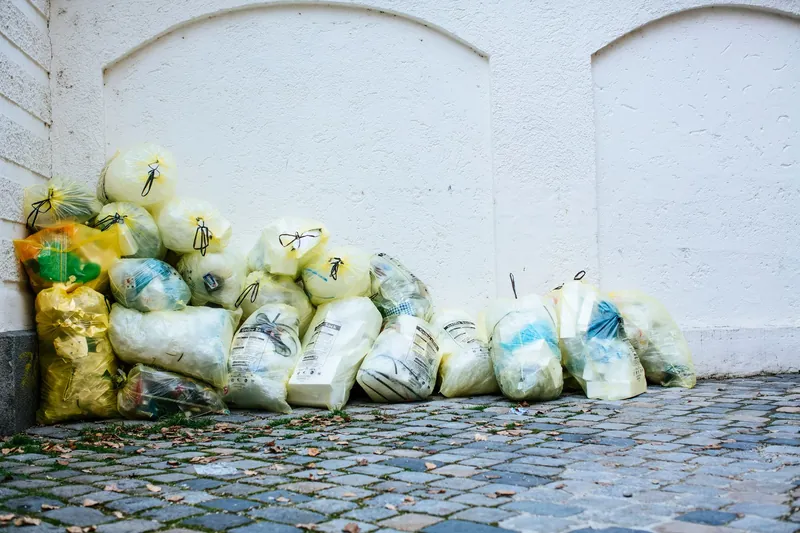
A limited hard-surface cleanup can take several hours. If the job includes porous material, more than one room, hidden contamination or odor treatment, it may need one or more workdays, with extra time required for repairs.
| Scene | Typical time on site |
|---|---|
| Small, recent hard-surface area | Often completed in several hours |
| One room with porous materials | May require a full workday |
| Several rooms or accumulated waste | May require multiple workdays |
Odor removal starts by finding and removing every source. Fecal matter can remain beneath carpet, along baseboards, in grout, under furniture or inside damaged building materials. Fragrance may cover the smell briefly, but it does not clean contamination left behind.
Air scrubbers can capture particles in the air after the area has been disinfected and the source removed. Ventilation combined with controlled drying can then improve the space. If odor persists, an active plumbing problem, moisture, urine or hidden residue may be responsible. Each source requires attention before repairs or regular use moves ahead.
The full human feces cleanup guide covers what is cleaned or removed, odor and air quality work, and the rules that apply in Maryland and Baltimore City.
Read the full human feces cleanup guidePlanning for access, containment and cleanup can depend on local population, housing and entry conditions.
A listed distance of 2.1 miles to MedStar Good Samaritan Hospital gives a practical medical reference when someone has contacted blood or waste.
Crews coming in from Moravia-Walther, Beverly Hills or Glenham-Belhar should keep vehicles and equipment staged close to the affected property for privacy.
The Baltimore City location helps orient travel, while the neighborhood and full address identify where private cleanup work actually occurs.
You can ask about cleanup in nearby communities and ZIP codes during the call.
Across care settings, commercial spaces and homes, bodily fluid cleanup includes disinfection.
See bodily fluid cleanup
For furnishings, flooring and subfloors, urine cleanup includes odor removal.
See urine cleanup
Vomit is cleaned and the area disinfected to stop the spread of norovirus and other germs.
See vomit cleanup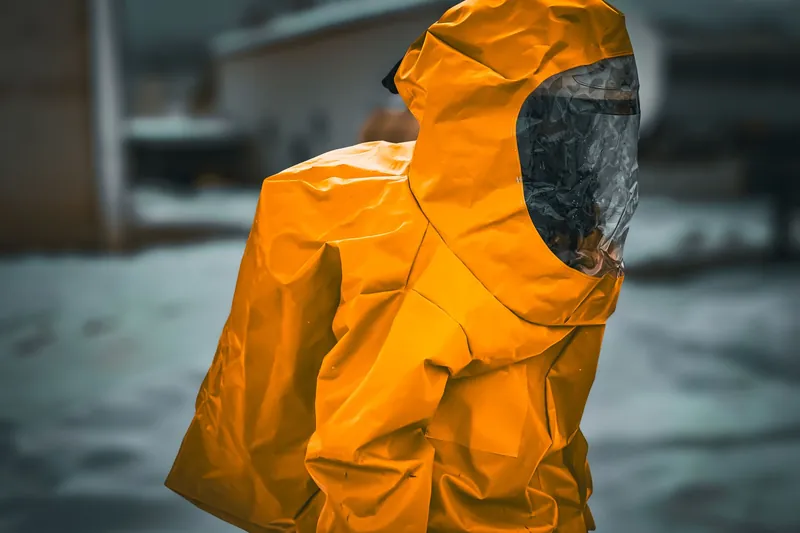
Any property receives disinfection after removal of infectious materials, including bodily fluids and blood.
See biohazard cleanup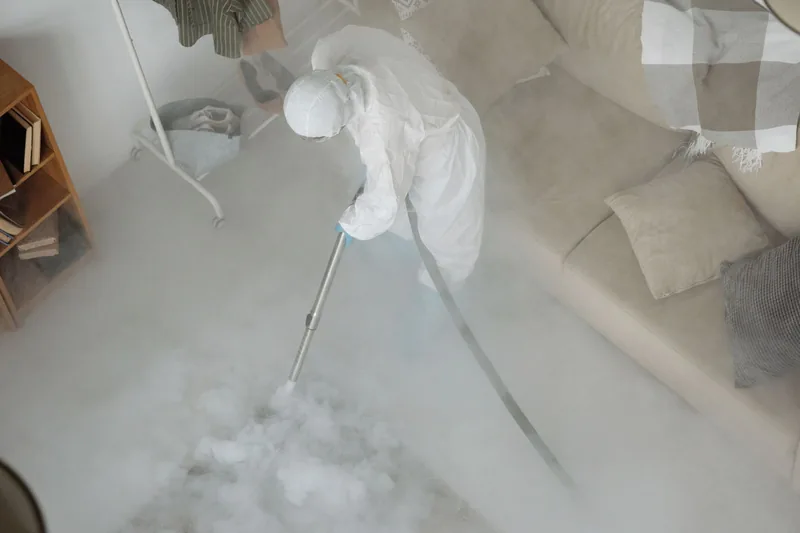
After exposure to infectious or hazardous material, the air, room and surfaces are fully decontaminated.
See biohazard decontamination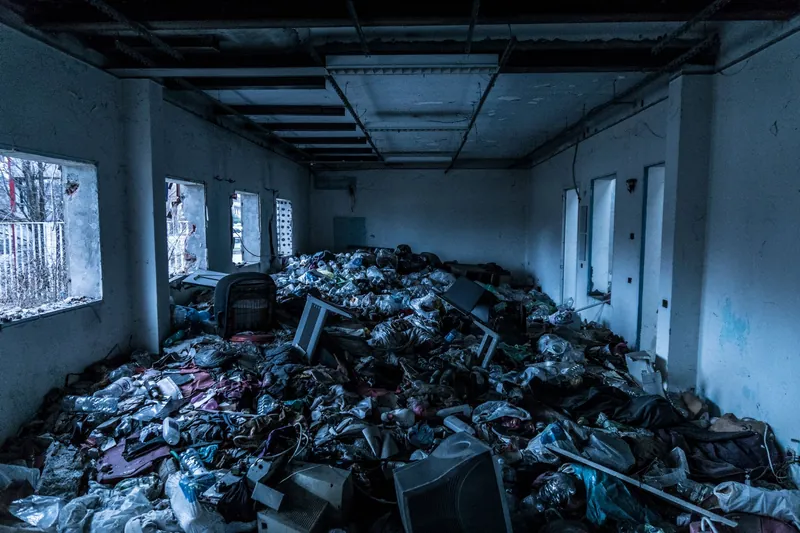
Deep cleaning, respectful sorting and removal are all part of hoarding cleanup.
See hoarding cleanup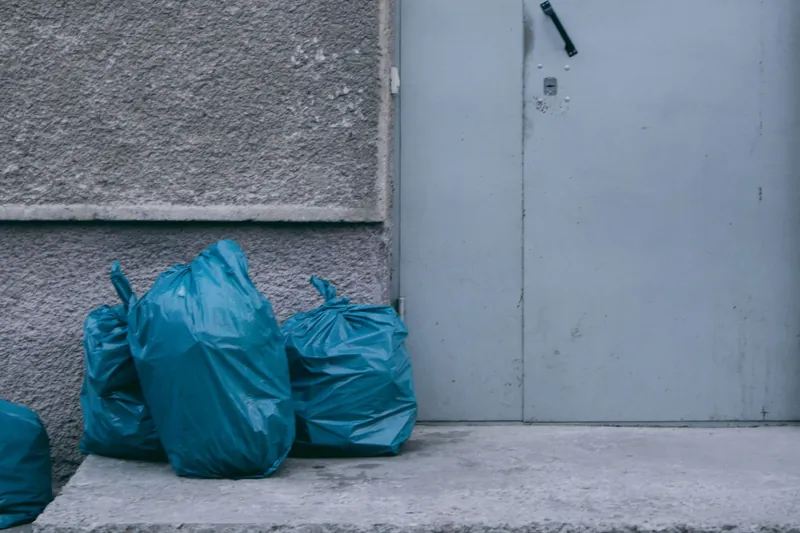
Cleanup removes filth and squalor from homes that are no longer safe to occupy.
See filth and squalor cleanup
Sewage cleanup removes Category 3 black water from raw sewage, then disinfects and dries the area.
See raw sewage cleanupWho pays varies with insurance coverage, the property and what caused the contamination. Homeowners might cover the bill themselves or file an insurance claim. In different circumstances, responsibility may fall to a tenant, landlord, employer or property manager. Read the lease or policy, document the condition and ask the insurance company what cleanup and restoration records it requires.
You might manage a small, fresh amount on an impermeable surface using single-use gloves and equipment, then cleaning and disinfecting the area. Avoid direct hand contact, pushing down filled bags or putting your hands where sharp items could be concealed. You should not attempt hand cleanup when the waste covers a large area, has dried, includes blood or has soaked into porous surfaces.
Professional cleanup makes sense for extensive, dried or repeated contamination, waste mixed with sharps or blood, and material that reached carpet, wood, drywall, furniture or vents. Professional support is also useful when contamination affects multiple rooms or people in businesses and hoarded houses. You may be able to manage a minor recent spot on a sealed surface.
No universal amount of time makes the material safe. Survival differs among bacteria, viruses and parasites, and conditions such as moisture, temperature and sunlight matter. Consider aged or dry feces contaminated, since the passage of time does not establish safety. Keep away from the waste and organize controlled cleanup whenever the quantity or affected items exceed a minor accident at home.
You cannot judge the hazard by smell alone, and moving dry feces may put contaminated particles or droplets into the air. Do not disturb the waste using brushes, brooms or a domestic vacuum. Leave the area, limit airflow into clean rooms and arrange professional cleanup when waste is dried, extensive or present in a poorly ventilated space.
After visible residue is gone, follow label instructions for an EPA-registered disinfectant made for that surface. Maintain surface wetness for the entire amount of contact time stated. Keep bleach and ammonia separate from each other and from other products. If disinfectant cannot completely reach an absorbent material, removal may be necessary rather than additional chemical use.
Respectful, discreet human feces cleanup is available 24 hours a day, and crews arrive in unmarked vehicles.